
Self-Discipline: Why Patience is Your Greatest Asset
Patience is the cornerstone of true self-discipline because it bridges the gap between immediate effort and delayed results, preventing impulsive abandonment when progress feels slow.
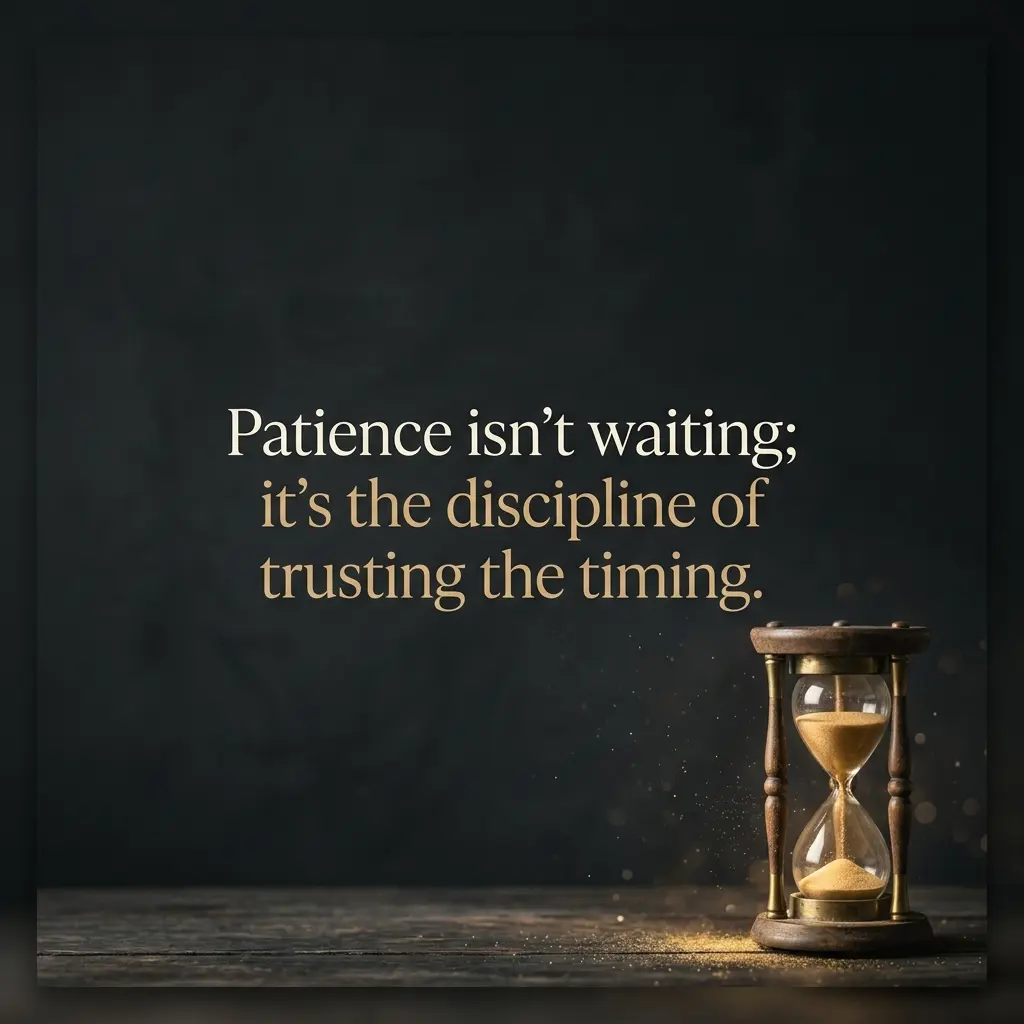
While willpower initiates change, strategic patience sustains daily consistency through seasons of invisible growth, turning ordinary habits into enduring character, resilient leadership, and long-term prosperity.
Key Takeaways
- Patience is active endurance, not passive waiting: True patience requires maintaining disciplined daily standards even before external rewards or recognition appear.
- Impulse control protects long-term compounding: Resisting the urge for instant gratification preserves momentum in personal growth, health, relationships, and career building.
- Emotional regulation underpins sound judgment: Practicing patience calms reactive stress responses, enabling thoughtful decisions rather than panic-driven shortcuts.
- Enduring success follows agricultural rhythms: Meaningful transformation requires faithful planting, consistent watering, and the wisdom to let roots deepen before expecting a harvest.
Why Instant Gratification Culture Destroys Self-Discipline
Modern digital environments are engineered to eliminate waiting. From one-click deliveries to on-demand entertainment and algorithm-driven validation, contemporary culture conditions the brain to expect immediate stimulation. When this mindset carries over into personal development, self-discipline collapses at the first sign of delay.
Most people do not fail because they lack talent or initial enthusiasm; they fail because they misinterpret quiet seasons as wasted effort. When new habits do not yield dramatic transformation within days, impatience triggers frustration, prompting an endless cycle of starting over with new methods instead of mastering foundational principles.
Strategic patience restores reality to the growth process. It recognizes that anything built to last—whether unshakable integrity, emotional maturity, a thriving marriage, or a resilient career—develops beneath the surface long before it becomes visible to others.
The Psychology and Neuroscience of Patient Self-Control
Behavioral science has long demonstrated that the ability to delay gratification is one of the strongest predictors of lifelong stability and well-being. Far from being an inherited personality trait, patience is a trainable cognitive skill rooted in how the brain regulates emotion and evaluates future rewards.
How Patience Strengthens Executive Brain Function
Every time you choose long-term value over a short-term emotional impulse, you reinforce neural pathways in the prefrontal cortex while quieting reactive surges in the limbic system. Over time, this disciplined restraint produces three distinct advantages:
- Reduced decision fatigue: When you commit patiently to a clear set of principles, you stop wasting mental energy constantly renegotiating your goals every time a minor obstacle arises.
- Higher stress tolerance: Patient individuals process setbacks as temporary data points rather than personal emergencies, preventing burnout and emotional whiplash.
- Deeper cognitive clarity: Stepping back from urgent emotional impulses allows you to see second- and third-order consequences before committing time, energy, or resources.
For individuals whose nervous systems have been conditioned by chronic stress, trauma, or prolonged exhaustion, practicing patience can initially feel overwhelming. Combining personal spiritual reflection with professional support—such as online therapy or specialized emotional rehabilitation clinics—helps heal underlying anxiety so that calm endurance becomes sustainable.
Four Pillars Where Patience Multiplies Self-Discipline
Integrating patience into your daily discipline transforms how you navigate pressure, steward your responsibilities, and lead those around you.
1. Mastering Invisible Progress in Daily Habits
In nature, bamboo spends years developing an intricate underground root system before breaking through the soil and growing rapidly upward. Personal transformation follows the exact same pattern.
When you commit to daily self-discipline—waking up with intention, practicing morning prayer or quiet reflection, exercising consistently, and guarding your focus—the early weeks rarely look dramatic. Patience keeps you faithful during the silent phase. Rather than obsessing over immediate metrics, focus on process fidelity: honoring today’s commitments with excellence and trusting that consistent inputs inevitably produce compound results.
2. Practicing Composed Leadership Under Pressure
Impatience is one of the fastest ways to erode trust in both personal and professional relationships. When leaders react hastily out of frustration, fear, or ego, they make fragmented decisions and create anxious environments.
Conversely, patient self-control anchors everyone in the room. Leaders who refine their emotional intelligence through leadership and management courses and organize their teams with structured corporate productivity software understand that sustainable execution requires calm, measured pacing. Taking even sixty seconds to breathe, listen fully, and weigh options before responding turns potential conflict into constructive alignment.
3. Applying Patient Stewardship to Family and Financial Security
Nowhere is the contrast between impatience and discipline more visible than in how people manage their households and long-term resources. Impatience chases speculative shortcuts, impulsive purchases, and reactive lifestyle choices. Faithful stewardship embraces steady, farsighted preparation.
When patience governs your planning, protecting those who depend on you becomes a calm, deliberate priority:
- Safeguarding household health and legacy: Securing comprehensive family health insurance and life insurance ensures that unexpected medical challenges or life events never derail your family’s stability, reflecting a mature commitment to long-term care.
- Building generational financial resilience: Partnering with a trusted financial advisor to structure smart investments, disciplined retirement planning, and holistic wealth management embodies the essence of patience—allowing small, consistent contributions to compound steadily over decades rather than chasing volatile trends.
- Supporting holistic workplace health: Utilizing corporate wellness programs reinforces sustainable work rhythms that protect physical and mental vitality over a forty-year career rather than burning out in five.
4. Extending Grace-Filled Patience to Yourself
Many driven individuals display remarkable patience with colleagues or clients while treating themselves with harsh impatience whenever they stumble. Perfectionism demands flawless execution immediately, turning minor missteps into excuses for total abandonment.
True self-discipline requires self-compassion without lowering standards. When you miss a morning routine, lose your temper, or fall behind schedule, patience invites you to acknowledge the lapse honestly, extract the lesson, and return immediately to your commitments without shame.
Practical Ways to Build Patience Into Your Daily Routine
Strengthening patience requires intentional friction against an impatient world. Implement these four habits this week:
- Introduce a 24-hour rule for major reactions: Before sending a sharp email, making an unplanned purchase, or abandoning a commitment out of frustration, wait twenty-four hours to let emotional turbulence settle.
- Start mornings without digital urgency: Spend the first twenty minutes of your day in quiet stillness, gratitude, or scripture reading before checking messages or news feeds.
- Embrace single-tasking blocks: Train your attention span by working on one meaningful priority for forty-five uninterrupted minutes without switching tabs or checking notifications.
- Keep a long-term progress journal: Record monthly reflections on character growth, answered prayers, and lessons learned so you have tangible proof of progress when short-term progress feels slow.
Frequently Asked Questions (FAQ)
1. Isn’t patience just another excuse for procrastination or inaction?
No. Procrastination avoids necessary effort out of fear or laziness, whereas patience pairs consistent, disciplined daily action with calm acceptance of the time required for results to mature. Patience works faithfully today while releasing anxious control over tomorrow’s timeline.
2. Why do I feel more impatient when I am tired or stressed?
Fatigue depletes glucose and cognitive resources in the prefrontal cortex—the exact part of the brain responsible for impulse control and emotional regulation. Prioritizing restorative sleep, screen-free breaks, and healthy boundaries immediately strengthens your capacity for patience.
3. How can I stay patient when working toward a goal that takes years to achieve?
Break multi-year visions into ninety-day milestones and daily process goals you can control today. Celebrate faithful execution of your daily habits rather than waiting exclusively for the final outcome, and surround yourself with grounded mentors who remind you of the bigger picture.