
Personal Growth: How Consistency and Small Daily Habits Create Lasting Self-Improvement
Personal Growth is not achieved through one major decision or a sudden transformation.
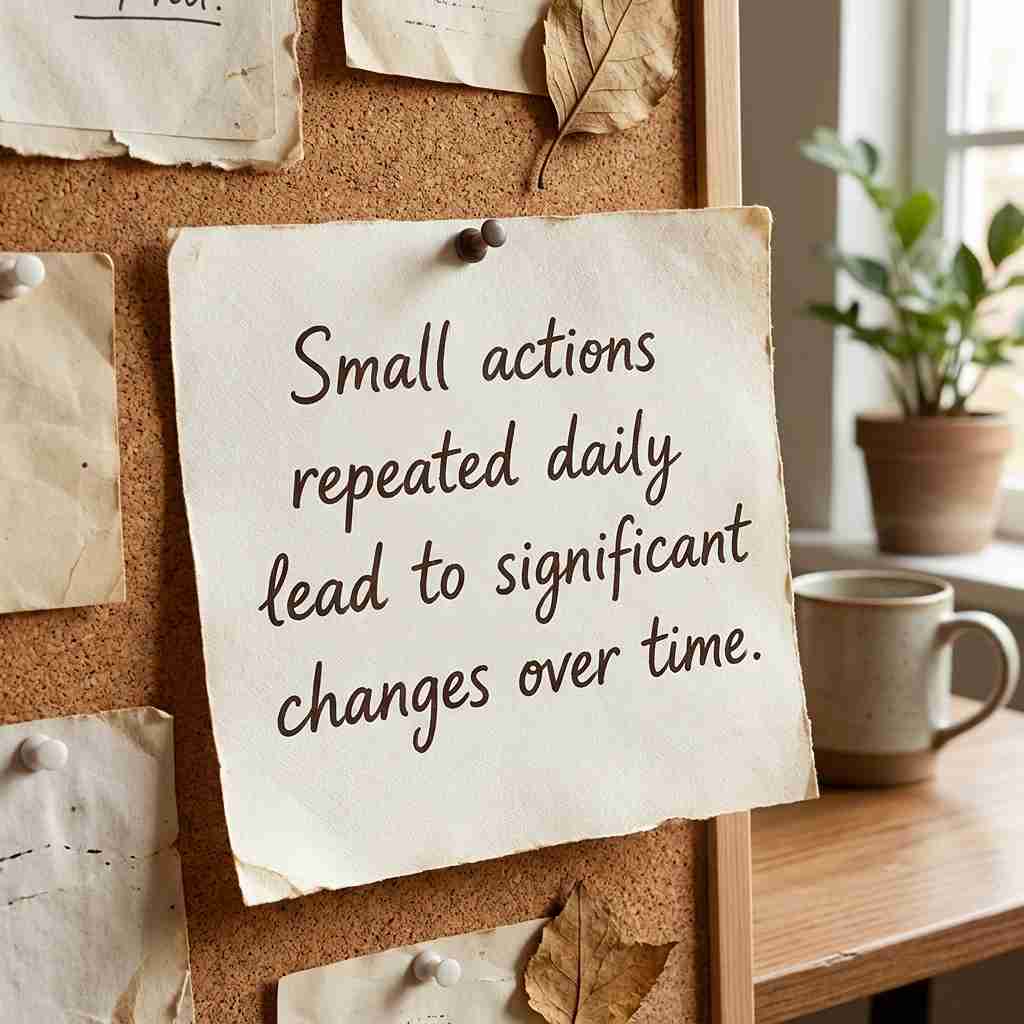
It develops through the small choices, positive habits, and consistent actions repeated every day. Whether you want to improve your mindset, become more productive, achieve meaningful goals, or build a more fulfilling life, consistency plays an essential role in creating lasting change.
By focusing on daily habits and continuous improvement, you can gradually develop the discipline, confidence, and motivation needed to become a better version of yourself.
Why Consistency Is the Foundation of Personal Growth
Many people begin their self-improvement journey with enthusiasm and ambitious expectations. They create detailed plans, establish challenging goals, and promise themselves that everything will change. However, maintaining that initial motivation can become difficult when everyday responsibilities, unexpected challenges, and temporary setbacks appear.
This is where consistency becomes important.
Consistency means continuing to take meaningful action even when motivation is low or progress seems slow. Instead of depending on occasional bursts of enthusiasm, you develop a reliable routine that supports your personal development over time.
Personal Growth becomes more sustainable when you understand that improvement is a continuous process rather than a destination. Every positive decision contributes to your development, even when the immediate results are difficult to notice.
For example, reading a few pages every day may seem insignificant compared to completing an entire book in one weekend. However, maintaining that reading habit for several months can improve your knowledge, vocabulary, concentration, and ability to think critically.
The same principle applies to physical health, professional development, financial organization, emotional intelligence, and other areas of life.
Long-term success is often the result of repeated actions that appear small in the beginning but become powerful through consistency.
How Small Daily Actions Lead to Significant Results
One of the most important principles of personal development is understanding that small daily actions can create meaningful changes over time.
People frequently underestimate the value of simple improvements because they expect immediate and visible results. However, lasting personal transformation rarely happens overnight.
Consider what happens when you improve one small aspect of your routine every day. A few additional minutes dedicated to learning, planning, exercising, or developing a useful skill can gradually influence your lifestyle.
These actions create a positive cycle in which each improvement makes the next one easier.
The Power of Gradual Improvement
Continuous improvement is based on making manageable changes that can be maintained over extended periods.
Instead of attempting to change your entire lifestyle immediately, identify one behavior that could improve your daily routine.
For example:
- Spend 15 minutes reading something educational every day.
- Wake up at a consistent time to establish a healthier routine.
- Write down three priorities before starting your workday.
- Practice a skill regularly instead of waiting for the perfect opportunity.
- Reduce unnecessary distractions when working toward important goals.
- Reflect on your progress before going to sleep.
These practices may appear simple, but their real value comes from repetition.
Small improvements become meaningful when they are transformed into permanent habits.
This approach also reduces the pressure associated with personal growth. You do not need to accomplish everything immediately. You simply need to maintain a commitment to becoming slightly better through your daily decisions.
Daily Habits That Support Self-Improvement
Your habits influence how you spend your time, respond to challenges, and make decisions. Over time, they can determine whether your daily actions support your ambitions or prevent you from reaching your potential.
Developing positive habits is therefore one of the most practical ways to improve your lifestyle and strengthen your personal development journey.
However, successful habit formation requires more than simply deciding to do something different. It involves creating an environment and routine that make positive behaviors easier to repeat.
1. Develop a Consistent Morning Routine
The way you begin your day can influence your concentration, productivity, and attitude toward your responsibilities.
A structured morning routine helps you establish direction before distractions take control of your attention.
You might begin by organizing your priorities, drinking water, exercising lightly, reading, or spending a few minutes reflecting on your goals.
The objective is not to create an unnecessarily complicated schedule. It is to establish a practical routine that prepares you to approach the day with greater clarity.
2. Invest Time in Learning
Personal development requires continuous learning.
Reading books, studying new subjects, listening to educational content, and developing professional skills can expand your understanding and introduce new opportunities.
Make learning part of your everyday routine, even if you only dedicate a short period to it.
The knowledge you accumulate through consistent learning can become one of your most valuable long-term investments.
3. Practice Self-Discipline
Self-discipline allows you to follow through on your commitments, especially when you do not feel motivated.
There will be days when you prefer to postpone important activities or abandon your routine. Developing discipline means recognizing those moments and choosing actions that support your long-term objectives.
You do not need to perform perfectly every day. What matters is maintaining a commitment to your progress.
4. Create Time for Reflection
Reflection helps you understand your decisions, recognize mistakes, and identify opportunities for improvement.
At the end of each day, consider what went well, what could have been handled differently, and which actions brought you closer to your goals.
This simple practice strengthens self-awareness and encourages more intentional decisions.
Building Good Habits That Last
Although starting a new habit can be exciting, maintaining it over time is often the more difficult part.
Many people abandon positive routines because they establish expectations that are too demanding. When a habit requires excessive time or effort, it becomes harder to maintain alongside everyday responsibilities.
A more effective approach is to begin with realistic actions and gradually increase their intensity.
Start With Achievable Commitments
If your goal is to exercise regularly, begin with a short workout rather than immediately committing to an intensive training schedule.
If you want to read more, start with five or ten minutes per day.
If you want to improve your productivity, begin by organizing your three most important tasks.
A habit that you can maintain consistently is more valuable than an ambitious routine that you abandon after a few days.
Make Positive Habits Easier to Repeat
Your environment has a significant influence on your behavior.
If you want to read more, keep a book somewhere visible. If you want to exercise in the morning, prepare your clothes the night before. If you want to reduce distractions, keep your phone away during important activities.
These small adjustments reduce the effort required to make better decisions.
Building good habits becomes easier when your surroundings support the behaviors you want to develop.
Track Your Progress
Monitoring your progress can help you maintain motivation and recognize improvements that might otherwise go unnoticed.
You can use a notebook, calendar, or simple habit tracker to record your daily actions.
Focus on consistency rather than perfection. Missing one day does not mean you have failed. The important thing is to return to your routine instead of allowing a temporary interruption to become a permanent habit.
Developing a Personal Growth Mindset
A personal growth mindset involves believing that your abilities, knowledge, and skills can improve through learning, effort, and experience.
This perspective changes the way you approach difficulties.
Instead of interpreting mistakes as evidence that you are incapable, you begin to see them as opportunities to understand what needs to change.
This does not mean that every challenge will be easy or that success is guaranteed. It means recognizing that your current abilities do not necessarily determine your future potential.
Replace Negative Thinking With Constructive Actions
The way you interpret situations can influence your decisions and behavior.
For example, thinking that you are not naturally disciplined can discourage you from developing better routines. However, recognizing that discipline is a skill that can be practiced creates a more productive perspective.
Consider replacing thoughts such as:
- I cannot change my habits with I can improve one behavior at a time.
- I am not making progress with I am developing skills through consistent effort.
- I always make mistakes with Every mistake can teach me something useful.
- I am too far behind with I can start improving from where I am today.
These changes encourage responsibility without creating unrealistic expectations.
A positive growth mindset helps you focus on what you can improve instead of becoming discouraged by what you have not achieved yet.
How to Stay Consistent When Motivation Disappears
Motivation can be useful when starting a new project, but it is not always reliable.
Some days you will feel excited about your goals. On other days, responsibilities, tiredness, or unexpected problems may make it difficult to maintain your routine.
If your progress depends entirely on how motivated you feel, consistency becomes difficult.
The solution is to establish systems that help you continue even when enthusiasm decreases.
Focus on Your Reasons for Improving
Understanding why a goal matters can help you maintain your commitment.
Perhaps you want to develop professionally, improve your financial stability, become healthier, gain confidence, or create more opportunities for your future.
Write down the reasons behind your objectives and revisit them when you feel discouraged.
Having a meaningful purpose can make temporary difficulties easier to manage.
Establish a Realistic Schedule
A consistent schedule reduces the need to make repeated decisions about when to perform important activities.
Choose specific periods for learning, exercising, working on personal projects, or practicing new skills.
Your schedule should reflect your actual responsibilities and available time.
Avoid creating routines that depend on perfect circumstances. A practical plan should remain manageable even during busy weeks.
Celebrate Progress Without Losing Focus
Recognizing your achievements can reinforce positive behavior.
You do not need to wait until you accomplish a major goal to appreciate your progress.
Completing a difficult task, maintaining a new habit for several weeks, or overcoming an obstacle are all meaningful achievements.
Celebrating these improvements can strengthen your confidence and encourage you to continue.
The Connection Between Consistency and Long-Term Success
Achieving meaningful results requires more than knowing what you want. It requires translating your intentions into actions that can be repeated over time.
This is why consistency is closely connected to long-term success.
When you repeatedly invest time and effort in your priorities, you gradually develop experience, confidence, discipline, and valuable skills.
For example, someone who dedicates time every week to professional development may eventually become more qualified for new opportunities. Someone who consistently manages personal finances may develop greater financial awareness and better spending habits.
The results differ depending on the objective, but the underlying principle remains the same.
Consistent effort creates opportunities for progress that occasional effort rarely produces.
Focus on Systems Instead of Only Outcomes
Goals provide direction, but systems determine what you do every day.
If your objective is to become more productive, establish a daily planning routine. If you want to develop a new skill, create a regular practice schedule. If you want to improve your health, build sustainable habits around nutrition, movement, and rest.
Instead of concentrating exclusively on the final result, identify the daily behaviors that make that result possible.
This approach makes personal growth more practical because it shifts your attention toward actions within your control.
Practical Strategies for Achieving Your Personal Goals
Achieving goals becomes easier when you transform broad ambitions into specific and manageable actions.
Rather than simply deciding that you want to improve your life, identify the areas that require attention and establish measurable steps.
Consider following these strategies:
- Define your priorities: Identify the areas of your life that deserve more attention.
- Set realistic objectives: Establish goals that are challenging but achievable.
- Break large goals into smaller tasks: Create manageable actions that can be completed regularly.
- Establish daily habits: Connect your routine to the outcomes you want to achieve.
- Monitor your development: Review your progress and identify what needs adjustment.
- Learn from setbacks: Understand what interrupted your progress and develop a better strategy.
- Remain committed: Continue taking meaningful action even when results take longer than expected.
These steps provide a practical structure for achieving goals while maintaining a healthier relationship with progress.
Remember that your personal development journey does not need to follow someone else’s timeline. Your circumstances, responsibilities, and opportunities are different.
Concentrate on building a routine that supports your own objectives.
Personal Transformation Begins With the Decisions You Make Today
Personal transformation does not require you to become a completely different person overnight. It begins when you recognize that your everyday decisions have the potential to influence your future.
Choosing to learn instead of remaining comfortable, taking responsibility instead of making excuses, and maintaining positive habits instead of depending on temporary motivation are examples of decisions that can gradually change your direction.
There will be moments when progress feels slow. You may question your abilities, experience disappointment, or realize that certain habits are more difficult to change than expected.
These experiences are part of the process.
What matters is your willingness to keep learning, adjusting, and improving.
The person you become tomorrow is influenced by the choices you consistently make today.
Instead of waiting for the perfect moment to begin, identify one meaningful action you can take right now.
Read a few pages, organize your priorities, practice a useful skill, or complete a task you have been postponing.
Each action represents an opportunity to strengthen your commitment to self-improvement.
Over time, these decisions can create a stronger foundation for confidence, productivity, personal development, and long-term success.
Frequently Asked Questions About Personal Growth and Consistency
1. Why is consistency important for personal growth?
Consistency is important because it allows positive behaviors to become established habits. Repeated actions help develop discipline, improve skills, and create gradual progress toward meaningful objectives.
2. How can I improve myself every day?
You can improve yourself by dedicating time to learning, developing positive habits, practicing self-discipline, organizing your priorities, and reflecting on your daily experiences. Small improvements maintained over time can create meaningful results.
3. What are the best daily habits for self-improvement?
Some useful daily habits include reading, exercising, planning your activities, practicing gratitude, learning new skills, maintaining a healthy routine, and setting aside time for personal reflection.
4. How long does it take to develop a new habit?
The time required depends on the behavior, its complexity, and your individual circumstances. Some habits become easier to maintain within a few weeks, while others require several months of consistent practice. The most important factor is repetition.
5. How do I stay motivated when I do not see results?
Focus on your daily actions instead of judging your progress exclusively by immediate outcomes. Track small improvements, remember why your goals matter, and maintain realistic expectations. Motivation may fluctuate, but a consistent routine can help you continue.
6. What is the difference between personal growth and self-improvement?
Personal Growth refers to the broader process of developing your abilities, mindset, knowledge, and understanding of yourself. Self-improvement focuses more directly on identifying specific areas that can be developed through intentional actions and better habits. Both concepts are closely connected.
7. Can small daily actions really change my future?
Yes. Small daily actions can influence your skills, decisions, routines, and opportunities over time. Their impact becomes more significant when they are repeated consistently and connected to meaningful long-term objectives.
8. How can I build good habits and avoid giving up?
Start with manageable commitments, establish a realistic schedule, make positive behaviors easier to repeat, and track your progress. When you experience setbacks, return to your routine instead of abandoning your objectives.
Final Thoughts
Personal Growth is built through patience, consistency, and the willingness to improve every day. You do not need extraordinary achievements to begin transforming your life. You need meaningful goals, positive habits, and the commitment to take small steps even when progress is not immediately visible.
Every consistent action is an investment in the person you are becoming. Start with what you can do today, remain committed to your development, and allow your daily decisions to create the foundation for a better future.