
Personal Growth: Finding Strength in Stillness
Finding strength in stillness is the deliberate practice of quieting mental noise and halting reactive busyness to cultivate emotional resilience, strategic clarity, and long-term personal growth.
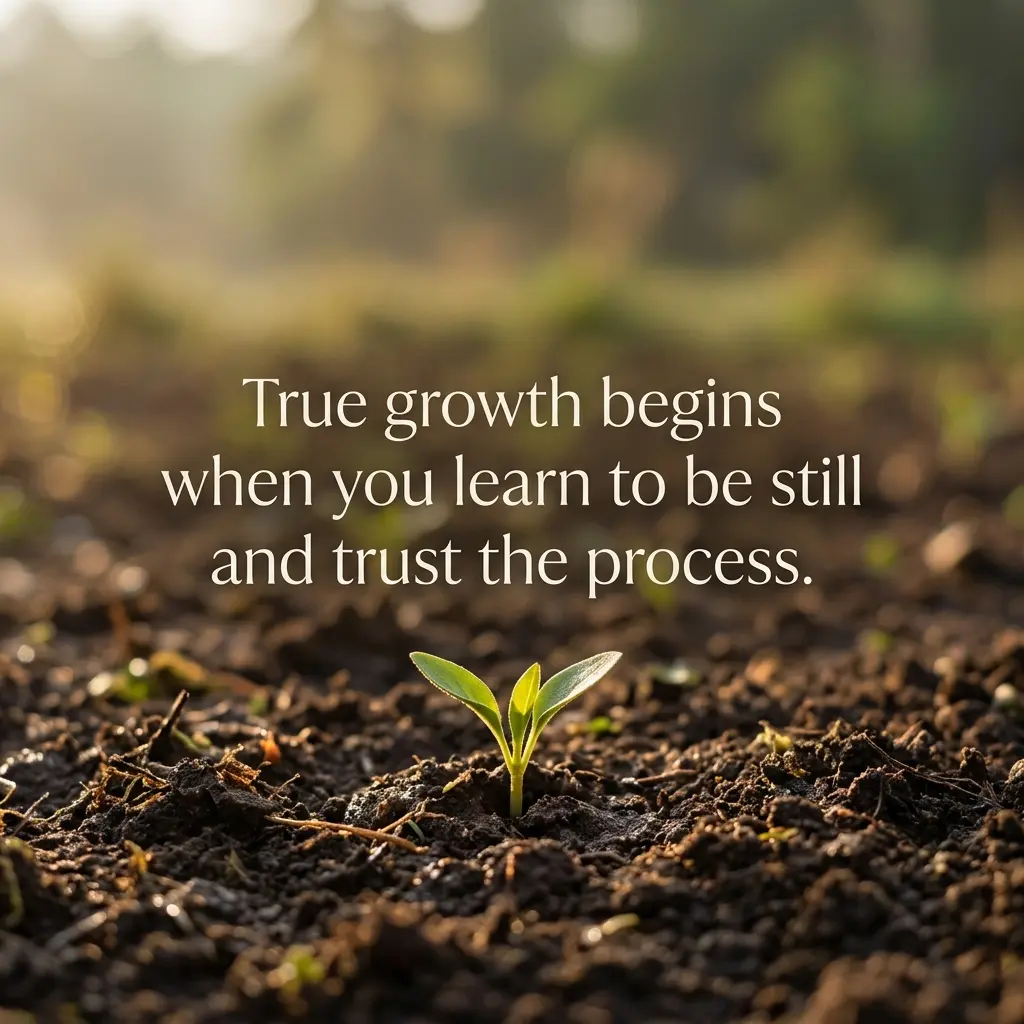
By stepping back from constant external stimulation, individuals activate the nervous system’s restorative state, enabling sharper decision-making, deeper self-awareness, and sustainable success across both personal and professional spheres.
Key Takeaways
- Stillness is an active discipline, not passive stagnation: Deliberate quietude sharpens cognitive focus and prevents burnout before it compromises your health or career.
- Nervous system regulation drives clarity: Stepping away from constant digital alerts shifts the brain out of chronic stress, unlocking higher-level executive functioning.
- Emotional resilience requires internal auditing: Quiet reflection allows you to process unresolved stress rather than masking it with relentless productivity.
- Sustainable growth balances action with reflection: High performers use structured pauses to align daily habits with long-term life, health, and financial goals.
Why Modern Hustle Culture Erodes True Personal Development
Modern society equates constant motion with measurable progress. From waking up to smartphone notifications to filling every spare minute with podcasts or endless task lists, we have conditioned ourselves to fear silence. Yet, chronic busyness is frequently a sophisticated form of avoidance. When you never stop moving, you never have to confront underlying anxieties, misaligned priorities, or creeping exhaustion.
True personal growth and emotional resilience cannot take root in a mind operating in perpetual survival mode. When the brain is constantly flooded with cortisol and adrenaline, the prefrontal cortex—responsible for rational planning, impulse control, and strategic foresight—goes offline. What feels like high-speed productivity is often just reactive spinning.
To break this cycle, you must recognize that stillness is not the absence of ambition; it is the foundation that keeps ambition from collapsing under its own weight. Just as elite athletes rely on recovery days to rebuild muscle fiber, high-functioning individuals require intentional quiet to integrate life lessons and maintain mental stamina.
The Neuroscience and Psychology of Intentional Stillness
When you intentionally step away from external noise, measurable physiological shifts occur within the body. Engaging in quiet contemplation, breathwork, or simple screen-free solitude activates the parasympathetic nervous system, lowering heart rate and reducing systemic inflammation.
How Quiet Reflection Rewires Cognitive Performance
Neuroscientific research demonstrates that when the brain is not focused on an external task, it activates the Default Mode Network (DMN). Far from being idle, the DMN is responsible for:
- Memory consolidation: Organizing daily experiences into long-term wisdom.
- Creative problem-solving: Connecting disparate ideas that remain hidden during frantic multitasking.
- Self-referential processing: Evaluating whether your current trajectory aligns with your core values.
Without regular periods of stillness, this cognitive integration never fully happens. Many professionals experiencing severe burnout eventually turn to online therapy or specialized emotional rehabilitation clinics to recover from years of ignoring their internal warning signs. Cultivating daily stillness acts as preventative maintenance, allowing you to process emotional friction in real time rather than letting it accumulate into a full-scale crisis.
Practical Ways to Cultivate Strength in Stillness Daily
Integrating stillness into a demanding schedule does not require retreating to a mountain monastery for months at a time. It requires establishing non-negotiable boundaries around your attention and energy.
1. Implement a Morning Analog Hour
The first sixty minutes after waking set the neurological tone for your entire day. Reaching immediately for a device hands control of your focus over to external algorithms and other people’s emergencies. Instead, dedicate the first hour to screen-free stillness:
- Drink a full glass of water while sitting quietly without background media.
- Spend ten minutes journaling unfiltered thoughts to clear mental clutter.
- Review your top three priorities for the day before opening any corporate productivity software or email inboxes.
2. Practice Tactical Pauses Before Major Decisions
Strength in stillness is most visible under pressure. When confronted with a difficult conversation, a market downturn, or an unexpected family challenge, resist the urge to react instantaneously. Introduce a tactical pause—even thirty seconds of slow, deliberate breathing creates space between stimulus and response.
This measured composure is a hallmark of effective leadership. Executives who invest in leadership and management courses quickly learn that emotional regulation is far more influential than technical skill alone. A leader who remains calm in a crisis anchors the entire room, transforming reactive panic into coordinated action.
3. Schedule Weekly Solitude Audits
Once a week, block out forty-five minutes with a pen and paper to conduct a personal alignment audit. Ask yourself three direct questions:
- Where am I expending energy out of obligation rather than purpose?
- What persistent emotion have I been trying to outrun this week?
- If I slowed down by twenty percent, what would actually break—and what would finally thrive?
Honest answers to these questions reveal where your life needs structural adjustment.
How Stillness Sharpens Long-Term Life and Career Strategy
The clarity gained through regular stillness extends far beyond emotional peace; it directly upgrades the quality of your long-term planning. When you step out of the daily weeds, you gain the altitude required to protect your future and provide for those who depend on you.
Protecting Your Family and Financial Foundation
Panic and haste are the enemies of sound judgment. Individuals who operate in a constant state of mental fog often make impulsive choices regarding their health, relationships, and resources. Conversely, a grounded, reflective mindset encourages proactive stewardship.
In the quiet space of intentional planning, you are far more likely to make wise, forward-looking commitments—whether that means securing comprehensive family health insurance and life insurance to safeguard your loved ones against unforeseen events, or consulting a qualified financial advisor to structure smart investments and long-term retirement planning.
True wealth management and personal security are rarely built through frantic, speculative reactions; they are built through disciplined patience, clear-eyed risk assessment, and steady execution over decades. Stillness gives you the foresight to build structures today that will protect your peace tomorrow.
Aligning Career Ambition with Holistic Well-Being
More organizations are recognizing that exhausted employees cannot innovate. Forward-thinking companies now integrate corporate wellness programs into their core benefits, encouraging mental recovery alongside professional output. However, institutional support only works when you give yourself permission to use it.
By anchoring your identity in who you are rather than solely what you produce, you develop an unshakable internal locus of control. External market shifts, organizational restructuring, or temporary setbacks no longer threaten your sense of self-worth because your strength is rooted internally.
Overcoming Common Obstacles to Practicing Stillness
If sitting in silence initially makes you feel restless, anxious, or guilty, you are experiencing a completely normal withdrawal from constant dopamine stimulation. Do not interpret this discomfort as a sign that stillness does not work for you; view it as proof of how badly your nervous system needs it.
- Start small: Begin with five minutes of uninterrupted silence a day and gradually expand to twenty or thirty minutes.
- Anchor stillness to an existing habit: Pair quiet reflection with your morning coffee or an evening walk without headphones.
- Release the need for “productive” stillness: You do not need to reach a profound epiphany every time you sit quietly. Simply allowing your mind to rest without judgment is a complete victory in itself.
Frequently Asked Questions (FAQ)
1. What is the difference between stillness and laziness?
Laziness is the avoidance of necessary responsibility driven by apathy or lack of discipline. Stillness is an intentional, restorative practice used to regain mental clarity, regulate the nervous system, and prepare for purposeful, high-impact action.
2. How long does it take to feel the benefits of daily stillness?
Physiological benefits, such as lower heart rate and reduced muscle tension, occur within just five to ten minutes of slow breathing and quiet focus. Deeper cognitive benefits—like improved emotional regulation, sharper intuition, and reduced chronic anxiety—typically become noticeable within two to three weeks of consistent daily practice.
3. What should I do if my mind races whenever I try to sit quietly?
A racing mind is a natural byproduct of an overstimulated nervous system decompressing. Instead of fighting your thoughts, keep a notebook nearby to briefly jot down urgent tasks so your brain knows they will not be forgotten, then gently return your attention to your breathing or your immediate physical surroundings.