
Personal Development: Practical Ways to Improve Yourself, Build Better Habits, and Create a Better Future
Personal Development is the continuous process of improving your mindset, habits, skills, emotional awareness, and daily decisions to become a better version of yourself.
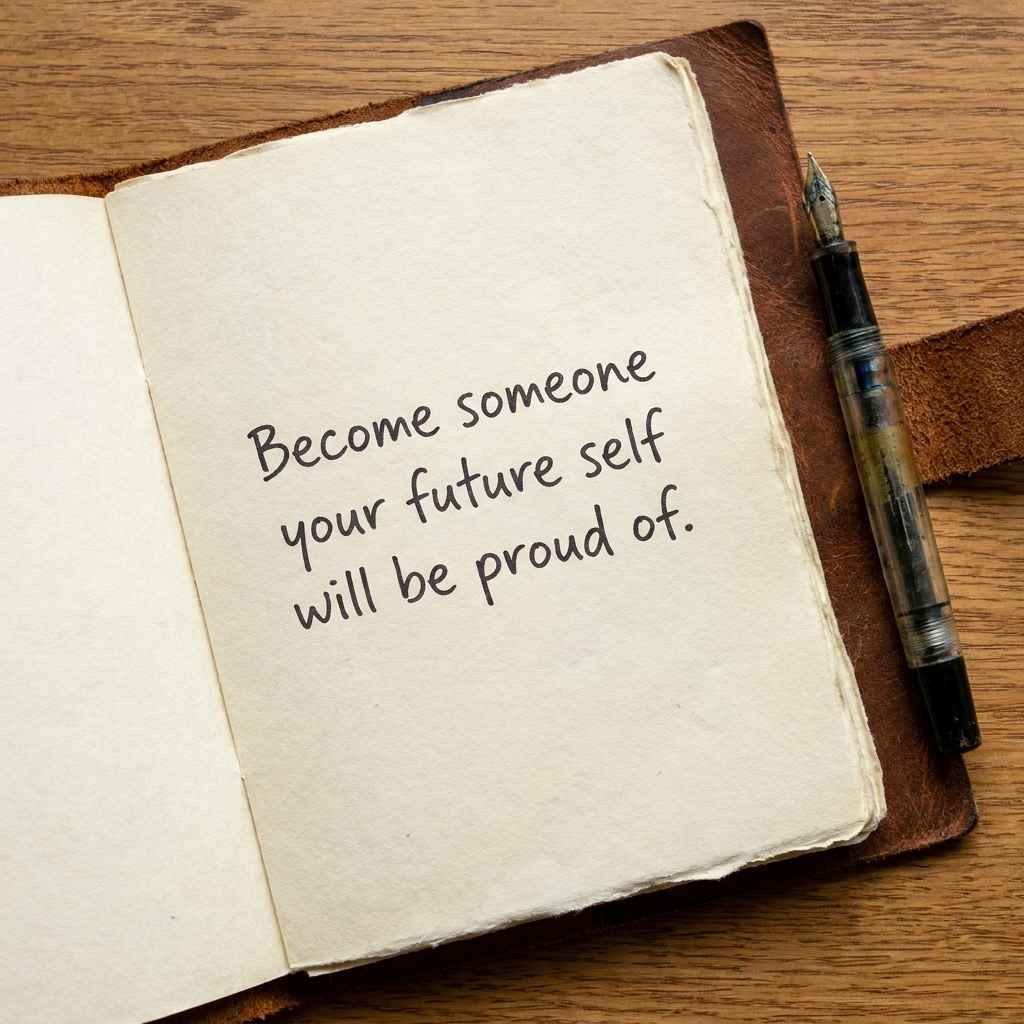
It involves understanding who you are today, identifying the areas you want to improve, and taking consistent action toward the person you want to become.
Whether your goal is to develop greater self-discipline, build confidence, achieve success, or create a more meaningful life, personal development provides a practical path toward lasting personal growth.
Becoming a better person does not require changing everything overnight. Real transformation happens through small decisions, new perspectives, and habits that gradually influence the way you think and live.
By investing in self-improvement, you can develop a stronger sense of purpose, recognize your potential, and build a future that reflects your values and ambitions.
What Is Personal Development and Why Does It Matter?
Personal development is an ongoing journey of learning, self-discovery, and continuous improvement. It involves recognizing your strengths, understanding your weaknesses, and making conscious efforts to develop the qualities that support your goals.
Unlike temporary motivation, personal development focuses on sustainable progress. It encourages you to take responsibility for your choices and understand how your daily behavior influences your long-term results.
This process can involve several areas of life, including:
- Emotional development: Understanding your feelings and responding to difficult situations with greater awareness.
- Mental development: Improving your thinking patterns, knowledge, and ability to solve problems.
- Professional development: Developing skills, improving performance, and exploring new opportunities.
- Physical well-being: Creating healthier routines that support energy and productivity.
- Social development: Building stronger relationships through communication, empathy, and respect.
- Financial awareness: Developing better habits around spending, saving, and planning for the future.
Each area contributes to a more balanced life. Improving one aspect can also create positive changes in others, helping you develop a stronger foundation for personal transformation.
How to Start Your Personal Growth Journey
Starting a personal growth journey begins with an honest assessment of your current situation. Before deciding where you want to go, it is important to understand where you are.
Many people feel dissatisfied with certain aspects of their lives but struggle to identify exactly what needs to change. Taking time to reflect can help transform vague intentions into clear objectives.
Develop Greater Self-Awareness
Self-awareness is one of the most important foundations of personal development. It allows you to recognize your thoughts, emotions, behaviors, and motivations.
When you understand yourself better, you can identify patterns that either support or prevent your progress. For example, you may realize that procrastination appears whenever a task feels difficult or that negative thinking influences your confidence when facing new opportunities.
Instead of judging yourself for these patterns, use them as opportunities to learn.
Consider asking yourself:
- What areas of my life need the most attention?
- Which habits are preventing me from reaching my goals?
- What situations bring out the best in me?
- What personal qualities would I like to strengthen?
- Am I making decisions based on my values or external expectations?
Self-awareness turns personal growth into a conscious process rather than a series of random changes.
Define Your Life Goals
Having clear life goals gives direction to your personal development efforts. Without specific objectives, it becomes difficult to measure progress or maintain motivation.
Your goals should reflect what genuinely matters to you. They might involve advancing your career, improving your health, developing stronger relationships, learning new skills, or becoming more confident.
A useful approach is to divide your objectives into three categories:
- Short-term goals: Improvements you can work toward over the next few weeks or months.
- Medium-term goals: Achievements that require consistent effort over several months.
- Long-term goals: Important life ambitions that may take years to accomplish.
Breaking large ambitions into smaller steps makes progress easier to manage. It also helps you recognize achievements along the way instead of focusing exclusively on how far you still need to go.
Building Better Habits for Lasting Self-Improvement
One of the most effective ways to experience meaningful personal growth is by improving your daily habits.
Your routines influence how you spend your time, how you respond to challenges, and how consistently you work toward your ambitions. Even small behaviors can produce meaningful results when repeated over time.
Start With Small and Consistent Changes
A common mistake in self-improvement is trying to change too many things simultaneously. People often create ambitious routines that become difficult to maintain after the initial excitement disappears.
A more sustainable approach is to begin with manageable actions.
For example, you could:
- Read for 15 minutes every day.
- Spend 10 minutes planning your priorities.
- Exercise several times a week.
- Reduce unnecessary time on social media.
- Practice gratitude before going to sleep.
- Dedicate time to learning a valuable skill.
These activities may seem simple, but consistency makes them powerful.
Building better habits is less about making dramatic changes and more about repeating positive actions until they become part of your lifestyle.
Create an Environment That Supports Your Goals
Your environment can influence your behavior more than you realize. The people around you, the information you consume, and the organization of your surroundings can either encourage or discourage positive habits.
If you want to become more productive, create a workspace that minimizes distractions. If you want to learn more, keep books and educational resources accessible. If you want to improve your health, make healthier daily choices easier to maintain.
Surrounding yourself with people who encourage learning, responsibility, and ambition can also strengthen your commitment to personal growth.
Your environment does not determine your future, but creating supportive conditions can make positive decisions easier.
The Importance of Self-Discipline in Achieving Success
Motivation can inspire you to begin something new, but self-discipline helps you continue when the excitement disappears.
There will be days when you feel tired, distracted, or uncertain about your progress. During these moments, the ability to follow through on your commitments becomes especially important.
Self-discipline is not about being perfect or forcing yourself to work constantly. It is about developing the ability to make decisions that support your long-term priorities, even when immediate comfort seems more attractive.
Learn to Prioritize What Matters
Many people struggle with personal goals because their attention is constantly divided between competing demands.
Developing better priorities can help you use your time more intentionally.
Start by identifying the activities that have the greatest impact on your objectives. Focus on completing important tasks before allowing less meaningful distractions to consume your day.
You can also establish a simple daily routine that includes time for work, learning, physical activity, and rest.
Successful self-discipline comes from creating realistic systems that help you remain consistent, not from relying on willpower alone.
Become Comfortable With Delayed Gratification
Delayed gratification means choosing a meaningful long-term benefit instead of an immediate reward.
For example, spending an hour learning a professional skill may be more valuable than spending that time scrolling through social media. Saving part of your income may require sacrificing unnecessary purchases today, but it can support greater financial flexibility in the future.
Developing this ability strengthens decision-making and encourages a more responsible approach to achieving success.
Developing a Positive Mindset and a Success Mindset
The way you interpret experiences influences how you respond to opportunities and difficulties.
A positive mindset does not mean pretending that problems do not exist. Instead, it means approaching challenges with realistic optimism and recognizing that difficult situations can provide opportunities to learn.
Your thoughts can influence your confidence, persistence, and willingness to take action.
Replace Limiting Beliefs With Constructive Thinking
Limiting beliefs are assumptions that make you question your abilities or underestimate your potential.
Thoughts such as “I am not capable,” “It is too late to change,” or “I always fail” can discourage you from trying new things.
Instead of accepting these beliefs as facts, examine whether they are supported by evidence.
For example, replace “I cannot learn this” with “I have not learned this yet.” This small change creates room for improvement and encourages a more constructive perspective.
A success mindset develops when you begin viewing abilities as qualities that can be strengthened through practice, education, and experience.
Learn From Mistakes Instead of Avoiding Them
Mistakes are an unavoidable part of personal transformation. Every new challenge creates the possibility of uncertainty, disappointment, and unexpected results.
Rather than allowing mistakes to define your abilities, consider what they can teach you.
Ask yourself what went wrong, what you could do differently, and which skills might help you handle similar situations in the future.
Progress becomes easier when you treat mistakes as feedback instead of permanent evidence of failure.
Self-Worth, Confidence, and Becoming a Better Person
Personal development is not only about achieving external goals. It is also about building a healthier relationship with yourself.
Self-worth refers to recognizing your value as a person, regardless of your achievements, financial situation, professional position, or the opinions of others.
When you develop a stronger sense of self-worth, you become less dependent on external approval and more capable of making decisions that reflect your values.
Embrace Your Imperfections
Becoming a better person does not mean becoming flawless. Everyone has weaknesses, makes mistakes, and experiences moments of uncertainty.
Accepting your imperfections allows you to recognize areas that need improvement without constantly criticizing yourself.
There is an important difference between accepting who you are and refusing to grow. Self-acceptance means acknowledging your current reality while remaining open to positive change.
You can respect yourself today while working toward a better version of yourself tomorrow.
Build Confidence Through Action
Confidence often develops through experience. Each time you face a challenge, learn something new, or accomplish a meaningful task, you create evidence that you are capable of making progress.
Instead of waiting until you feel completely confident, begin with manageable actions.
Speak up when you have something valuable to contribute. Apply for opportunities that challenge your abilities. Learn skills that make you more independent.
Over time, these experiences can strengthen your belief in your own potential.
Personal Transformation: Becoming the Person You Want to Be
Personal transformation happens when your thoughts, habits, and decisions begin reflecting the direction you want your life to take.
It is not necessarily a dramatic event. In many cases, transformation develops gradually through repeated choices that influence your identity and lifestyle.
One useful way to approach this process is to think about your future self.
Make Decisions That Benefit Your Future Self
Imagine the person you would like to become in one, three, or five years.
Consider what this person knows, how they manage their responsibilities, which habits they maintain, and how they respond to difficult situations.
Then ask yourself an important question: What would I need to start doing today to move closer to that version of myself?
Perhaps your future self is more confident, financially responsible, emotionally balanced, knowledgeable, or disciplined.
You do not need to accomplish everything immediately. Start by identifying one behavior that supports this vision and practice it consistently.
Your future is influenced by the decisions you make today, even when their results are not immediately visible.
Stop Comparing Your Progress to Other People
Comparison can create unnecessary frustration because everyone has different circumstances, opportunities, responsibilities, and starting points.
Looking at someone else’s achievements may inspire you, but constantly measuring your progress against theirs can distract you from your own objectives.
Focus on your personal development instead.
Compare your current habits, abilities, and decisions with those you had in the past. Recognize improvements, identify remaining challenges, and continue moving forward at a realistic pace.
Your journey does not need to look like anyone else’s to be meaningful.
Practical Strategies for Continuous Improvement
Continuous improvement is the commitment to learning and making adjustments throughout life. It recognizes that personal development does not end after achieving a particular goal.
There will always be new experiences, responsibilities, and opportunities to expand your knowledge.
The following strategies can help you maintain this process.
1. Make Learning a Daily Priority
Read books, explore educational resources, listen to informative podcasts, and develop skills that contribute to your personal and professional ambitions.
Learning expands your perspective and helps you make more informed decisions.
2. Practice Regular Self-Reflection
Spend a few minutes reviewing your day. Consider what went well, what could have been better, and what you learned from your experiences.
This simple practice strengthens self-awareness and helps you recognize patterns in your behavior.
3. Track Your Progress
Write down your goals and monitor the actions you take toward achieving them.
Tracking progress makes improvements more visible and helps you identify areas that require additional attention.
4. Protect Your Time and Energy
Learn to establish boundaries, prioritize important responsibilities, and avoid unnecessary commitments.
Rest is also essential. Sustainable self-improvement requires balancing effort with recovery.
5. Celebrate Meaningful Progress
Recognize your achievements, including small improvements that may seem insignificant at first.
Celebrating progress reinforces positive behavior and reminds you that meaningful change is already happening.
How to Create a Personal Development Plan
A personal development plan helps transform intentions into practical actions. It provides structure, direction, and a way to evaluate your progress.
You do not need a complicated system. A simple plan can be enough to create consistency.
Start by following these steps:
Step 1: Identify your priorities. Choose the areas of your life that you genuinely want to improve, such as confidence, career development, emotional balance, or health.
Step 2: Establish realistic goals. Define specific objectives that can be measured and achieved through consistent effort.
Step 3: Choose daily actions. Identify small habits that support each objective.
Step 4: Set a review schedule. Evaluate your progress weekly or monthly and make adjustments when necessary.
Step 5: Remain flexible. Your priorities may change as you gain experience and discover new opportunities.
A useful personal development plan should encourage progress without creating unnecessary pressure.
Frequently Asked Questions About Personal Development
Why is personal development important?
Personal development is important because it helps you understand yourself, strengthen valuable skills, improve your habits, and make more intentional decisions. It can also increase confidence, support professional growth, and create a stronger sense of purpose.
How can I improve myself every day?
Start with small actions that support your priorities. Read regularly, practice self-discipline, learn new skills, reflect on your decisions, and maintain habits that contribute to your well-being. Consistency is more important than making dramatic changes.
What are the most important personal development skills?
Some valuable skills include self-awareness, communication, emotional intelligence, time management, adaptability, critical thinking, self-discipline, and problem-solving. Developing these abilities can improve several areas of your life.
How long does personal growth take?
Personal growth is an ongoing process rather than a destination with a fixed deadline. Some improvements may become noticeable within weeks, while more significant changes require months or years of consistent effort.
How can I stay motivated to become a better person?
Set meaningful goals, divide them into manageable actions, track your achievements, and remind yourself why you started. When motivation decreases, rely on established habits and realistic routines to maintain progress.
Start Building a Better Version of Yourself Today
Personal Development is a lifelong investment in your abilities, mindset, relationships, and future opportunities. It begins with the decision to take responsibility for your growth and continues through the choices you make every day.
You do not need to have everything figured out before taking the first step. You only need a clear intention, a willingness to learn, and the commitment to keep improving.
Build habits that support your goals, develop a positive mindset, strengthen your self-worth, and learn to recognize the value of small achievements. Most importantly, remember that becoming a better person does not mean rejecting who you are today.
The person you want to become is built through the actions you choose to take now. Start where you are, appreciate how far you have come, and keep moving toward a future you can be proud of.