
Letting Go of the Past: How Acceptance and Emotional Freedom Can Help You Move Forward
Letting go of the past is one of the most important steps toward emotional healing, personal growth, and building a more peaceful future.
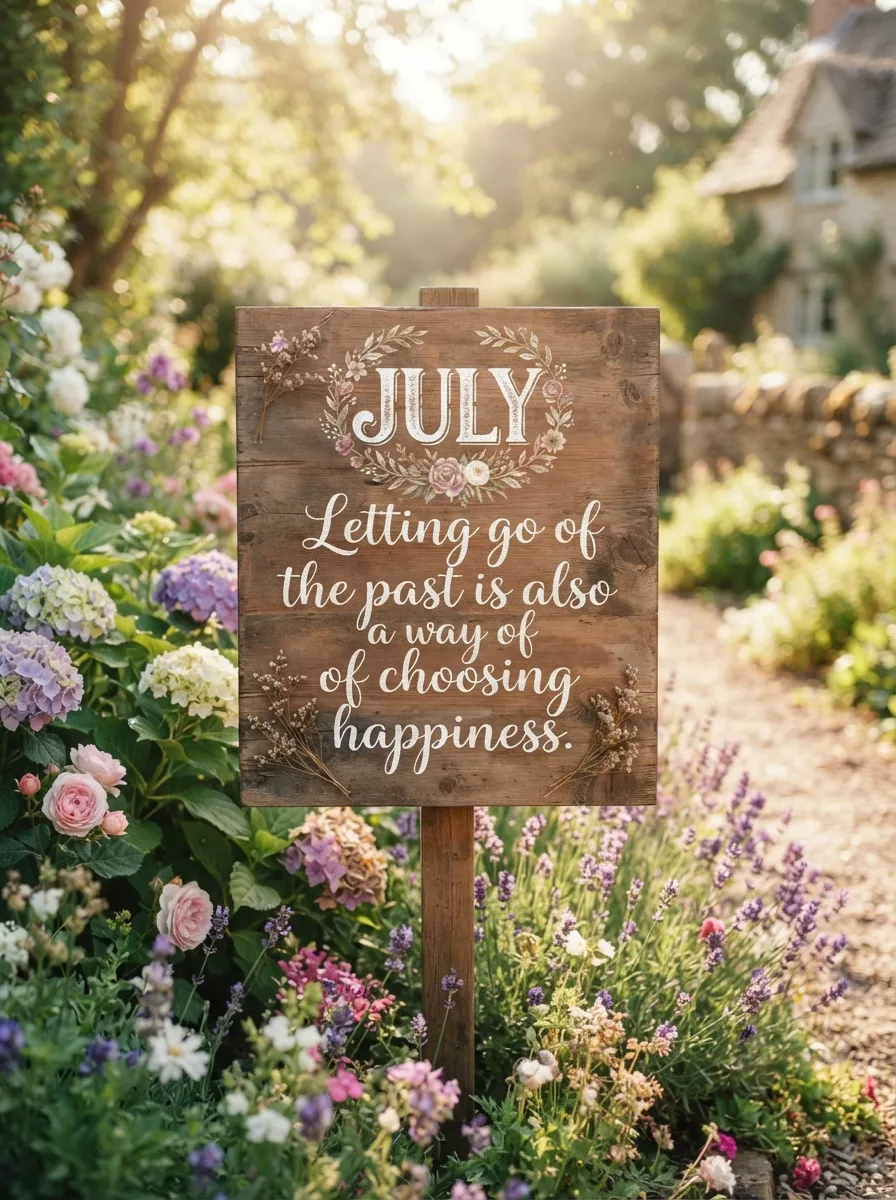
Everyone experiences difficult moments, disappointments, unexpected changes, and relationships that leave emotional marks.
Although these experiences can shape the way we see ourselves and the world, they do not have to determine what happens next. Learning to let go means accepting what cannot be changed, understanding the lessons behind difficult experiences, and creating space for new opportunities.
Moving forward does not mean forgetting everything that happened or pretending that painful moments never existed. Instead, it means developing the emotional strength to stop allowing yesterday’s struggles to control today’s decisions. Through acceptance, self-awareness, and intentional changes, it becomes possible to experience emotional freedom and discover a fresh start in life.
If you have been holding on to regret, disappointment, resentment, or memories that make it difficult to move forward, understanding how to release the past can be the beginning of a meaningful transformation.
Why Letting Go of the Past Is Essential for Emotional Healing
The past can influence our thoughts, emotions, relationships, and expectations. A difficult experience may create fear of making the same mistake again, while an unresolved disappointment can make it harder to trust people or embrace new opportunities.
However, continuously revisiting painful memories can prevent personal growth. When your attention remains focused on what went wrong, you may struggle to recognize the possibilities available in the present.
Letting go of the past is not about erasing memories. It is about changing the power those memories have over your life.
Emotional healing begins when you recognize that your experiences are part of your story, but they are not your entire identity.
Understanding the Emotional Weight of Yesterday
Sometimes, people carry emotional burdens without realizing how much energy they consume. Regret, guilt, resentment, and disappointment can become repetitive patterns of thinking.
You might repeatedly ask yourself what you could have done differently, why someone treated you unfairly, or why a particular opportunity did not work out.
Although reflecting on these questions can provide useful lessons, constantly searching for different answers to situations that cannot be changed can become emotionally exhausting.
Recognizing these patterns is an important first step toward emotional freedom.
Accepting What You Cannot Change
Acceptance is one of the foundations of emotional healing. It means acknowledging reality without spending your life fighting against things that have already happened.
You cannot change a decision made years ago, force someone to apologize, or return to a moment when everything seemed different.
However, you can choose how you respond today.
Acceptance does not mean approving of what happened. It means recognizing that your peace deserves more attention than your attachment to an unchangeable situation.
Once you begin accepting reality, you can redirect your energy toward healthier decisions and meaningful experiences.
7 Powerful Ways to Learn to Let Go and Move Forward
Moving forward is a process that requires patience, awareness, and consistent effort. There is no universal timeline for overcoming difficult experiences, but certain habits can make the journey more manageable.
1. Stop Allowing Past Mistakes to Define You
Everyone makes mistakes. Some decisions may create consequences that take time to understand, while others may become lessons that influence future choices.
However, making a mistake does not mean you are incapable, unworthy, or destined to repeat the same experience.
Instead of constantly criticizing yourself, recognize what the situation taught you.
Ask yourself:
- What did I learn from this experience?
- What would I do differently today?
- How can I use this lesson to make better decisions?
Your mistakes can become valuable lessons when you stop treating them as permanent definitions of who you are.
Personal growth becomes possible when you replace self-judgment with responsibility and understanding.
2. Release Resentment Without Waiting for an Apology
One of the most difficult parts of letting go of the past is releasing resentment toward people who have hurt you.
Sometimes, an apology never comes. Other times, the person responsible may never understand the emotional impact of their actions.
Waiting for someone else to recognize your pain can keep you emotionally connected to an experience you are trying to leave behind.
Forgiveness can be part of this process, but it does not require rebuilding a relationship or allowing someone to hurt you again.
You can establish boundaries, protect your emotional well-being, and decide that your future deserves more attention than past conflicts.
Releasing resentment is a personal decision to stop allowing someone else’s actions to occupy so much space in your emotional life.
3. Focus on What You Can Control Today
Many emotional struggles become heavier when we spend too much time thinking about things outside our control.
You cannot control other people’s opinions, past decisions, unexpected changes, or every situation that enters your life.
However, you can control several important aspects of your present:
- The way you speak to yourself.
- The decisions you make each day.
- The boundaries you establish.
- The habits you develop.
- The people and environments you choose to prioritize.
Focusing on these areas creates a stronger sense of direction.
Rather than trying to solve everything at once, begin with one decision that supports the life you want to build.
4. Accept That Healing Takes Time
Emotional healing rarely follows a straight line. Some days may feel peaceful, while other days may bring memories and emotions you thought you had already overcome.
This does not necessarily mean you are moving backward.
Healing is not measured by how quickly you stop remembering something. It is reflected in how you gradually develop healthier ways of responding to your experiences.
Give yourself permission to feel sadness, disappointment, or frustration without judging your progress.
If painful memories significantly affect your daily life, relationships, or well-being, seeking support from a qualified mental health professional can also be an important step.
You do not need to rush your healing to prove that you are strong.
5. Create New Experiences That Give Your Life Direction
A fresh start in life becomes easier when you begin creating experiences that are different from the ones you are trying to leave behind.
New routines, meaningful goals, hobbies, friendships, and opportunities can help you reconnect with your interests and values.
Consider making small changes such as:
- Learning a new skill.
- Exploring a place you have never visited.
- Reconnecting with activities that make you happy.
- Spending more time with supportive people.
- Establishing goals that reflect your current priorities.
These actions help shift your attention toward what is possible instead of keeping it centered on what has already happened.
You do not need to change your entire life overnight. Sometimes, a small positive decision can create the momentum needed for a bigger transformation.
6. Stop Comparing Your Journey to Other People’s Lives
Comparison can make emotional recovery more difficult, especially when you believe everyone else is progressing faster or experiencing greater happiness.
Social media often presents carefully selected moments that do not represent the complete reality of someone’s life.
Your journey has its own circumstances, challenges, and opportunities.
Instead of measuring your progress against another person’s achievements, recognize the changes you are making in your own life.
Perhaps you are establishing healthier boundaries, becoming more confident, or learning to respond differently to situations that once overwhelmed you.
These improvements matter.
Personal growth is not a competition. It is the continuous process of becoming more aware, confident, and intentional about the person you want to become.
7. Choose Peace Over the Need to Understand Everything
Sometimes, the hardest part of moving forward is accepting that certain questions may never receive satisfying answers.
You may never understand why a relationship ended, why someone changed, or why an opportunity disappeared.
Searching for explanations can be natural, but not every situation offers the clarity we hope to find.
There are moments when choosing peace means accepting uncertainty.
You can recognize that something hurt you without understanding every detail behind it. You can appreciate what an experience taught you without wanting to repeat it.
When you stop requiring every unanswered question to be resolved, you create more emotional space for the present.
How Acceptance Creates Emotional Freedom
Acceptance is more than recognizing what happened. It is a change in perspective that allows you to stop fighting against reality and begin making decisions based on what is possible now.
When you practice acceptance, you gradually develop a healthier relationship with your memories and emotions.
Instead of allowing disappointment to influence every new opportunity, you begin to recognize that the future can offer experiences different from the past.
Emotional Freedom Begins With Self-Compassion
The way you treat yourself during difficult moments matters.
Many people are more understanding toward friends and family members than they are toward themselves. They offer encouragement to others but respond to their own mistakes with criticism.
Self-compassion means recognizing your limitations without defining yourself by them.
It also means understanding that you were making decisions with the knowledge, emotional resources, and circumstances available at that particular moment.
You can take responsibility for your choices while still treating yourself with kindness.
Building Inner Peace Through Everyday Habits
Inner peace is not something that depends entirely on external circumstances. It can also be developed through the way you organize your thoughts, relationships, and daily routines.
Consider incorporating these habits into your life:
Practice gratitude: Recognize the positive aspects of your present, even when some things remain uncertain.
Write down your thoughts: Journaling can help you identify emotional patterns, understand your feelings, and organize your priorities.
Establish healthy boundaries: Learn to recognize situations and relationships that negatively affect your emotional well-being.
Spend time in silence: Moments away from constant distractions can help you reconnect with your thoughts and needs.
Prioritize meaningful relationships: Surround yourself with people who respect your boundaries and encourage your growth.
These practices do not eliminate every challenge, but they can support a healthier emotional environment.
Moving Forward: How to Build a Fresh Start in Life
A fresh start does not always require moving to another city, changing careers, ending relationships, or making dramatic decisions.
Sometimes, the most important transformation happens internally.
It begins when you decide to stop repeating patterns that no longer serve you and start choosing actions that reflect your values.
Set New Goals Based on Who You Are Today
Your priorities may have changed because of everything you have experienced.
Take some time to identify what matters most to you now. Think about your relationships, personal development, career, emotional well-being, and the experiences you want to create.
Choose realistic goals that encourage progress.
For example, you might decide to become more confident, develop healthier relationships, improve your daily routine, or dedicate more time to personal interests.
The purpose is not to become a completely different person. It is to build a life that feels more aligned with who you are becoming.
Recognize Progress, Even When It Seems Small
One of the biggest obstacles to personal growth is expecting immediate transformation.
You might not notice meaningful changes every day, but small improvements can gradually create a different relationship with yourself and your circumstances.
Recognize when you respond calmly to something that once caused frustration. Appreciate the moment you establish a boundary that you previously struggled to maintain.
These experiences are signs that you are developing new emotional skills.
Moving forward is not about having a perfect life. It is about making healthier choices, one day at a time.
The Importance of Letting Go of the Past for Personal Growth
Personal growth requires the willingness to question old beliefs, recognize unhealthy patterns, and remain open to new possibilities.
When you hold on too tightly to past experiences, you may unintentionally limit the opportunities available in the present.
For example, a disappointing relationship may create the belief that every future relationship will end in the same way. A professional failure may make you question your abilities, even when you have developed new skills since that experience.
Recognizing these patterns allows you to separate past circumstances from present possibilities.
Letting go of the past creates room for a more flexible mindset, healthier relationships, and greater confidence in your decisions.
It also helps you understand that your identity is not limited to the most difficult moments of your life.
You are allowed to change your perspective, establish new goals, and discover opportunities that you could not previously imagine.
Final Thoughts: Your Future Deserves More Attention Than Your Past
Learning to let go is not a single decision that changes everything immediately. It is a gradual process of acceptance, emotional healing, and personal growth.
There may be memories you continue to carry, experiences you wish had happened differently, and questions that remain unanswered. However, none of these things means you must stop building a meaningful future.
You cannot rewrite yesterday, but you can choose what you do with today.
Give yourself permission to grow beyond old disappointments, release expectations that no longer serve you, and welcome experiences that bring new meaning to your life.
Emotional freedom begins when you understand that your past is part of your story, not a limit on everything you can become.
Your next chapter can be different, and you deserve the opportunity to discover what it holds.
Recommended Book for Your Personal Growth Journey
If you want to explore acceptance, emotional healing, and the importance of releasing what you cannot control, one book worth reading is:
The Untethered Soul: The Journey Beyond Yourself by Michael A. Singer
This book explores the relationship between thoughts, emotions, and inner freedom. It encourages readers to observe their internal experiences without becoming completely attached to every thought or feeling.
Through practical reflections on self-awareness and emotional attachment, the author presents ideas that can help readers develop a different perspective on difficult experiences.
It is a valuable reading recommendation for anyone interested in letting go of the past, finding inner peace, and creating a more conscious approach to personal growth.
Sometimes, moving forward begins with a simple decision: allowing yourself to experience life without carrying every burden from yesterday.