
Know Your Worth: How to Build Self-Confidence and Recognize Your True Value
Knowing your worth is one of the most important steps toward building a happier, healthier, and more fulfilling life.
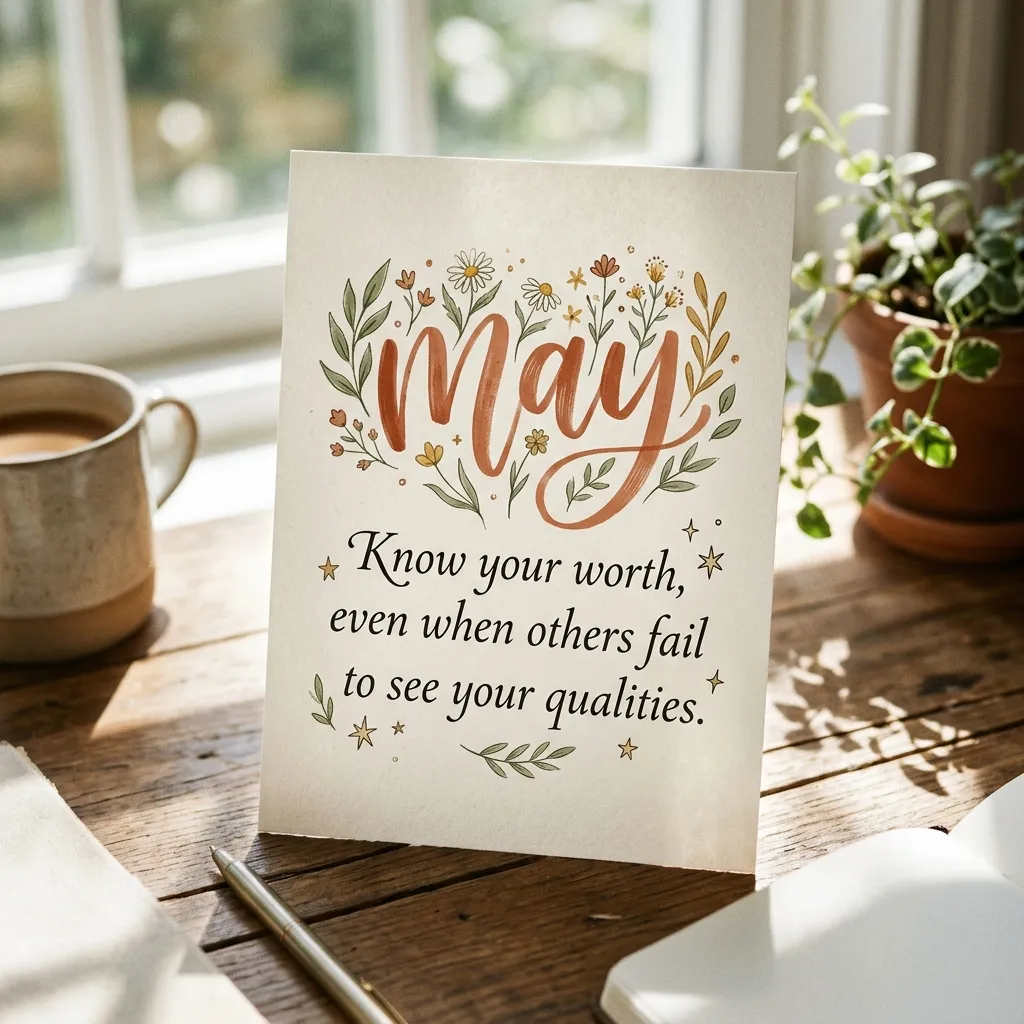
When you understand your value, you stop depending on other people’s approval to feel good about yourself.
You begin to develop genuine self-confidence, strengthen your self-esteem, and recognize that your importance is not determined by your achievements, appearance, relationships, or the opinions of others.
Learning to know your worth is not about believing you are better than anyone else. It is about understanding that you deserve respect, love, happiness, and opportunities just like everyone else. It also means recognizing your strengths, accepting your imperfections, and making decisions that reflect the value you place on yourself.
Whether you are rebuilding your confidence after a difficult experience, working toward personal growth, or simply trying to become a stronger version of yourself, recognizing your self-worth can transform the way you approach everyday life.
In this guide, you will discover practical ways to develop self-confidence, embrace self-love, improve your emotional strength, and build a healthier relationship with yourself.
1. Understand What It Truly Means to Know Your Worth
Knowing your worth begins with understanding that your value as a person is not something you need to earn. You do not become more deserving of respect because you have more money, a successful career, an attractive appearance, or a perfect life.
Your self-worth comes from recognizing your inherent value, regardless of your current circumstances.
Many people spend years comparing themselves to others, seeking approval, and questioning whether they are good enough. This behavior can gradually weaken self-esteem and make it difficult to recognize personal achievements.
However, your life does not need to look like someone else’s to be meaningful.
Recognize That Your Value Is Not Based on Approval
One of the most important lessons in personal development is learning to stop measuring your worth through other people’s opinions.
Some people may misunderstand you, disagree with your decisions, or fail to recognize your efforts. That does not mean you are less valuable.
When you depend entirely on external validation, your confidence becomes vulnerable to changing circumstances. A compliment can make you feel wonderful, while criticism can make you question everything about yourself.
Instead, develop an internal sense of value. Learn to appreciate your qualities, trust your decisions, and recognize your progress without constantly waiting for someone else to acknowledge it.
2. Build Self-Confidence by Keeping Promises to Yourself
Self-confidence does not appear overnight. It develops through consistent actions that demonstrate to yourself that you are capable, responsible, and worthy of your own trust.
Every time you establish a realistic goal and follow through, you strengthen your belief in yourself.
You do not need to accomplish something extraordinary to become more confident. Small daily commitments can create meaningful changes over time.
Start With Small and Achievable Goals
If you want to strengthen your self-confidence, begin by setting goals that you can realistically accomplish.
For example:
- Wake up at the time you planned.
- Spend 20 minutes learning something new.
- Complete an important task without unnecessary distractions.
- Exercise regularly and take care of your body.
- Set aside time to reflect on your personal goals.
These actions may seem simple, but they help build a sense of personal responsibility.
Confidence grows when your actions begin to support the promises you make to yourself.
As you accumulate small victories, you gradually develop greater trust in your abilities. This makes it easier to approach bigger challenges with determination.
3. Stop Comparing Your Life to Other People’s Success
Comparison is one of the biggest obstacles to healthy self-esteem.
Social media often creates the impression that everyone else is achieving more, enjoying better relationships, traveling to beautiful places, and living a more exciting life.
However, what you see is usually only a small part of someone else’s reality.
Comparing your everyday struggles with another person’s carefully selected highlights can create unnecessary dissatisfaction.
Focus on Your Own Personal Growth
Instead of asking why someone else is ahead of you, consider how much you have developed compared to your past self.
Think about the challenges you have overcome, the lessons you have learned, and the experiences that have helped you become stronger.
Personal growth is not a competition. Everyone has a different starting point, different responsibilities, and different opportunities.
A healthier approach is to establish personal goals based on what genuinely matters to you.
Celebrate your progress, even when it seems small. Recognize that meaningful change often happens gradually, through consistent decisions that may not be visible to anyone else.
Your journey deserves appreciation, even when it does not look like someone else’s.
4. Practice Self-Love Without Feeling Guilty
Self-love is an essential part of recognizing your worth. It means treating yourself with kindness, respecting your needs, and understanding that you deserve care even when you make mistakes.
Unfortunately, many people confuse self-love with selfishness. They believe prioritizing their well-being means neglecting others.
In reality, healthy self-love allows you to establish more balanced relationships because you understand the importance of your own needs and boundaries.
Learn to Treat Yourself With Respect
Pay attention to the way you speak to yourself, especially during difficult moments.
If you constantly criticize your appearance, intelligence, decisions, or abilities, you may gradually develop a negative perception of yourself.
Try replacing destructive thoughts with more constructive statements.
Instead of saying, “I always fail,” remind yourself, “I can learn from this experience and improve.”
Instead of thinking, “I am not good enough,” recognize that you are still developing and do not need to be perfect to deserve respect.
Self-love also involves practical decisions, such as getting enough rest, maintaining healthy routines, pursuing meaningful interests, and spending time with people who encourage your growth.
You cannot build a healthy relationship with yourself while constantly treating yourself as your own enemy.
5. Set Boundaries and Stop Accepting Less Than You Deserve
One of the clearest signs that you recognize your worth is your ability to establish healthy boundaries.
Boundaries communicate what you consider acceptable in your relationships, professional life, and personal environment.
Without them, you may find yourself constantly saying yes when you want to say no, tolerating disrespect, or sacrificing your well-being to avoid disappointing other people.
Understand That Saying No Is an Act of Self-Respect
You are not obligated to accept every request, invitation, responsibility, or situation.
Learning to say no does not make you unkind. It means you understand that your time, energy, and emotional well-being are valuable.
Healthy boundaries may include:
- Refusing to participate in conversations that involve constant disrespect.
- Avoiding relationships in which your feelings are repeatedly dismissed.
- Protecting your personal time and priorities.
- Communicating your expectations clearly.
- Walking away from situations that consistently harm your well-being.
Remember that people who genuinely respect you should also respect your boundaries.
Recognizing your self-worth means understanding that maintaining peace in your life is more important than receiving approval from everyone around you.
6. Develop Emotional Strength During Difficult Times
Emotional strength does not mean never feeling sad, disappointed, afraid, or frustrated.
It means learning how to manage difficult emotions without allowing them to define your identity or determine every decision you make.
Life will inevitably present challenges. You may experience rejection, professional setbacks, relationship difficulties, or unexpected changes.
During these moments, it becomes especially important to remember your value.
Learn From Experiences Instead of Defining Yourself by Them
A difficult experience does not determine your future.
Making a mistake does not mean you are incapable. Experiencing rejection does not mean you are unworthy of love. Facing a setback does not mean you have failed at life.
Give yourself permission to feel difficult emotions, understand what happened, and identify what you can learn from the experience.
Emotional strength develops when you become more comfortable with uncertainty and learn to respond thoughtfully instead of reacting impulsively.
You can also strengthen your emotional well-being by practicing mindfulness, writing down your thoughts, maintaining supportive relationships, and seeking professional support when necessary.
Being strong does not mean having no difficult days. It means remembering your value even when life becomes challenging.
7. Believe in Yourself Even When Others Do Not
Believing in yourself is a fundamental part of developing confidence and achieving personal goals.
There will be moments when people question your decisions, underestimate your abilities, or fail to understand your ambitions.
If you allow every outside opinion to determine what you believe about yourself, you may eventually abandon opportunities that could help you grow.
Trust Your Ability to Learn and Improve
You do not need to know everything before taking the first step.
Confidence is not the absence of uncertainty. It is the willingness to move forward despite uncertainty.
If you want to change careers, develop a new skill, start a business, improve your health, or pursue a personal dream, recognize that progress begins with action.
Instead of waiting until you feel completely prepared, focus on becoming more capable through experience.
Remember these important principles:
- You are allowed to start before you feel ready.
- You can learn from mistakes without losing confidence.
- Your past does not determine your future.
- You do not need everyone’s approval to pursue meaningful goals.
- Your abilities can improve through practice and dedication.
Believe in yourself enough to give your potential a real opportunity to develop.
8. Surround Yourself With People Who Recognize Your Value
Your environment can influence how you perceive yourself.
Spending time with people who constantly criticize, discourage, manipulate, or disrespect you can negatively affect your emotional well-being.
On the other hand, healthy relationships can encourage personal growth, strengthen confidence, and create a greater sense of belonging.
Choose Relationships That Encourage Your Development
Look for people who respect your opinions, celebrate your achievements, and support your progress without making you feel inferior.
Healthy relationships allow you to express yourself honestly without constantly fearing judgment.
This does not mean surrounding yourself only with people who agree with everything you say. Constructive criticism can be valuable when it comes from someone who genuinely wants to see you grow.
The difference is that healthy people can disagree with you without attacking your identity or diminishing your value.
Learning to choose better relationships is an important part of understanding what you deserve.
9. Make Personal Development a Daily Priority
Recognizing your worth is not a destination you reach once and never revisit. It is an ongoing process that develops through awareness, experience, and consistent personal growth.
Investing in yourself can help you become more confident, emotionally balanced, and prepared to handle life’s challenges.
Create Habits That Strengthen Your Self-Esteem
Consider incorporating these habits into your daily routine:
Read regularly: Books about personal development, emotional intelligence, and self-confidence can introduce new perspectives and practical strategies.
Learn new skills: Developing your knowledge and abilities can increase your sense of independence and personal achievement.
Take care of your health: Regular physical activity, adequate sleep, and balanced nutrition support your overall well-being.
Practice gratitude: Recognize the positive aspects of your life instead of focusing exclusively on what you have not achieved.
Reflect on your progress: At the end of each day, identify something you did well and one area where you would like to improve.
These habits may appear modest, but their long-term impact can be significant.
The importance of self-esteem becomes clearer when you realize how strongly it influences your decisions, relationships, motivation, and willingness to pursue new opportunities.
10. Remember That You Do Not Need to Be Perfect to Be Valuable
Perfectionism can make it difficult to appreciate your own achievements.
When you believe you must always perform exceptionally, look a certain way, or meet unrealistic expectations, you may overlook the qualities that already make your life meaningful.
Learning to know your worth requires accepting that you are a work in progress.
You can have weaknesses and still be valuable. You can make mistakes and still deserve respect. You can have difficult days and still be proud of the person you are becoming.
Accept Yourself While Continuing to Grow
Self-acceptance does not mean refusing to improve. It means understanding that personal development should come from a desire to become healthier and more fulfilled, rather than from the belief that you are fundamentally inadequate.
Give yourself room to evolve.
Recognize your achievements, acknowledge your limitations, and approach your future with curiosity instead of constant self-criticism.
The more comfortable you become with who you are, the less dependent you will be on external validation.
A Final Reminder: Know Your Worth and Never Stop Investing in Yourself
Learning to know your worth can change the way you approach relationships, opportunities, challenges, and personal goals.
When you develop self-confidence, practice self-love, and strengthen your self-esteem, you begin to make decisions that reflect greater respect for yourself.
You stop chasing approval from people who do not appreciate you. You become more comfortable establishing boundaries. You learn to recognize your progress instead of constantly comparing your journey with someone else’s.
Most importantly, you understand that your value does not disappear when you make mistakes, experience rejection, or face difficult circumstances.
Start by making small changes today. Speak to yourself with kindness, recognize your strengths, invest in your personal development, and surround yourself with people who encourage your growth.
You do not have to become someone else to deserve happiness and respect. You simply need to recognize the value that has always been part of you.
Recommended Book: The Six Pillars of Self-Esteem by Nathaniel Branden
If you want to explore the importance of self-esteem and develop a stronger relationship with yourself, The Six Pillars of Self-Esteem by Nathaniel Branden is an excellent book to add to your personal development reading list.
The book explores six fundamental practices associated with healthy self-esteem: living consciously, self-acceptance, self-responsibility, self-assertiveness, living purposefully, and personal integrity.
Through practical explanations and reflective exercises, it encourages readers to understand their beliefs, take responsibility for their decisions, and develop a stronger foundation for self-confidence.
If your goal is to believe in yourself, recognize your worth, and build a healthier mindset, this book can be a valuable addition to your personal growth journey.