
Emotional Resilience: Healing from Failure
Healing from failure through emotional resilience means separating your inherent worth from temporary setbacks while allowing brokenness to become a doorway to deeper wisdom and spiritual restoration.
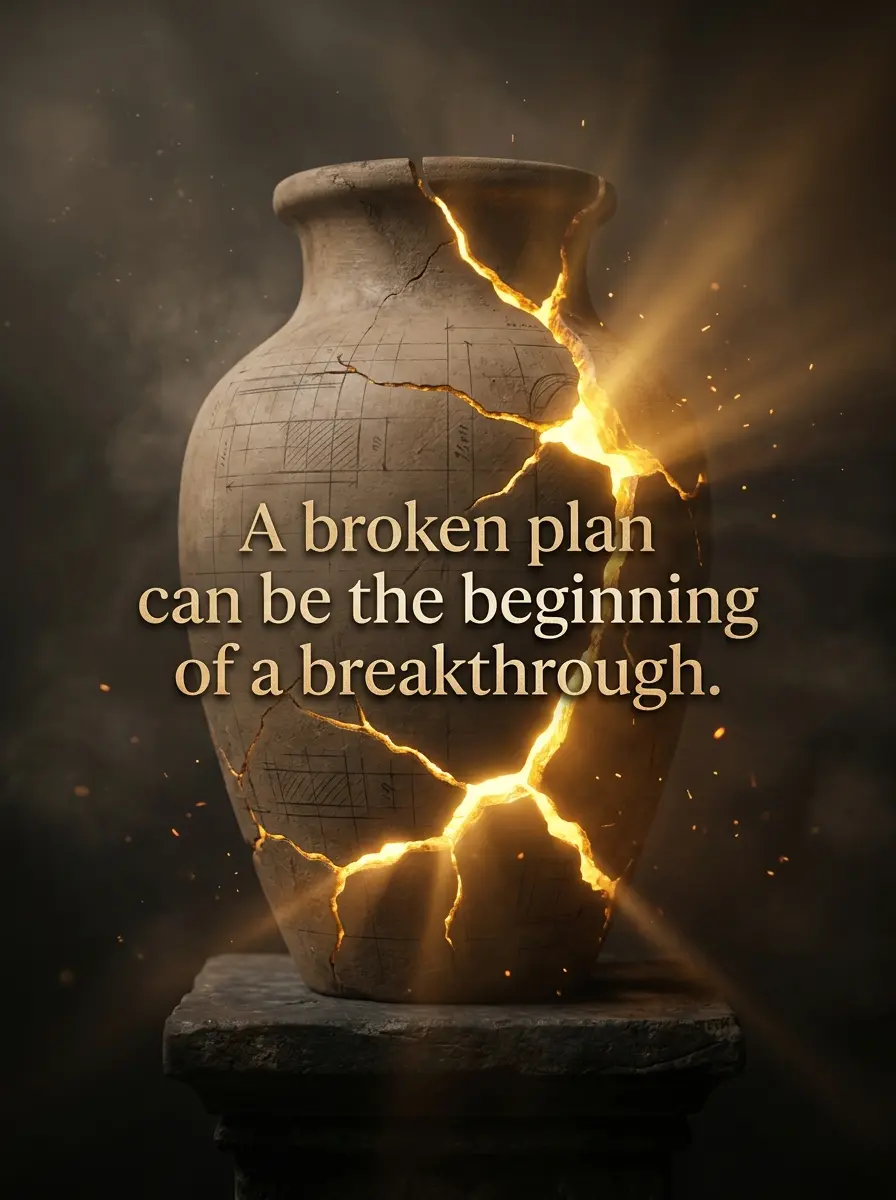
Anchored in the comforting assurance of Psalm 34:18—that divine presence draws closest to the brokenhearted and crushed in spirit—true recovery transforms paralyzing shame into grounded humility, renewed clarity, and courageous forward momentum.
Key Takeaways
- Failure is an event, never an identity: Confusing a missed milestone with personal worth triggers toxic shame, whereas emotional resilience isolates the lesson without condemning the person.
- Psalm 34:18 reframes brokenness as proximity, not abandonment: Seasons of deep disappointment invite spiritual intimacy and honest emotional processing rather than isolation.
- Healing precedes sustainable rebuilding: Rushing into frantic activity to outrun embarrassment prevents genuine recovery and repeats old blind spots.
- Holistic stewardship protects long-term stability: Combining emotional healing with wise career, health, and family planning cushions future risks and restores peace of mind.
Why Failure Hurts So Deeply—and Why Shame Keeps Us Stuck
Modern achievement culture treats failure like a permanent stain on your character. From early education through executive leadership, we are conditioned to equate success with personal value and mistakes with inadequacy. When a business venture collapses, a relationship ends, a career goal stalls, or a personal moral lapse occurs, the pain extends far beyond practical loss—it strikes directly at our sense of dignity.
In the aftermath of disappointment, two distinct emotional responses compete for control: healthy grief and toxic shame. Healthy grief acknowledges sorrow honestly, learns from reality, and gradually heals. Toxic shame whispers that you are fundamentally flawed, driving you into secrecy, cynicism, or frantic overcompensation.
Healing from failure requires breaking that shame cycle. Far from disqualifying you from a meaningful future, brokenness often strips away pride, superficial priorities, and self-reliance—creating space for authentic emotional resilience to take root.
The Spiritual and Psychological Power of Psalm 34:18
Across centuries of human struggle, Psalm 34:18 has offered a profound counter-narrative to performance-based worth. Rather than rewarding only the triumphant and self-sufficient, it affirms that grace and strength draw near specifically to those who feel brokenhearted and crushed in spirit.
How Compassionate Truth Rewires the Brain After Major Setbacks
Modern neurobiology and clinical psychology mirror this ancient insight. When you experience acute failure or rejection, the brain’s social pain circuits activate similarly to physical injury, flooding the nervous system with cortisol and triggering defensive isolation.
Replacing self-condemnation with grace-anchored emotional resilience initiates three vital neurological and psychological shifts:
- Quieting the threat response: Accepting that you are valued even in brokenness lowers amygdala hyperactivity, allowing your nervous system to exit survival mode.
- Restoring executive perspective: Once shame subsides, blood flow returns to the prefrontal cortex, enabling objective analysis of what went wrong without emotional distortion.
- Cultivating empathetic strength: Navigating personal failure with humility softens harsh judgment toward others, transforming past pain into genuine relational wisdom.
When a major setback triggers prolonged depression, trauma, or debilitating anxiety, carrying that weight in isolation slows recovery. Reaching out for structured support through online therapy or specialized emotional rehabilitation clinics provides a safe, evidence-based environment to process grief, dismantle destructive shame narratives, and rebuild healthy emotional boundaries.
Four Practical Pillars for Healing from Failure and Rebuilding Strength
Moving from the raw ache of disappointment into renewed confidence requires deliberate, compassionate steps that honor both your humanity and your future calling.
1. Give Yourself Permission to Grieve Without Quitting
Skipping the emotional processing phase in the name of “staying strong” almost always backfires. Unprocessed grief resurfaces months later as irritability, burnout, or fear of taking any new initiative.
Take quiet, unhurried time to name what was lost—whether time, financial investment, trust, or an envisioned future. Spend twenty minutes each morning in screen-free stillness, prayer, or unfiltered journaling before checking messages or opening corporate productivity software. Honest lament clears internal pressure so clarity can gradually return.
2. Conduct an Objective Post-Mortem Without Self-Condemnation
Once the sharpest emotional sting softens, separate controllable lessons from uncontrollable circumstances. Maturity asks honest questions without cruelty:
- Which factors in this outcome were genuinely outside my control?
- Where did blind spots, impatience, or poor boundaries contribute to the setback?
- What single principle, if applied consistently, will protect me from repeating this pattern?
Writing down three concrete lessons converts an expensive failure into permanent wisdom. You are no longer carrying a scar without meaning; you are carrying hard-earned discernment.
3. Rebuild Daily Rhythm Through Small, Faithful Wins
Major failures shatter self-trust, making massive five-year plans feel overwhelming. Rebuild momentum by shrinking your horizon to the next twenty-four hours.
Focus on foundational daily stewardship: consistent sleep, nutritious meals, physical movement, morning spiritual grounding, and honoring small commitments. Professionals rebuilding career momentum often benefit from sharpening their skills through leadership and management courses and participating in corporate wellness programs, reinforcing sustainable growth habits that prioritize long-term endurance over desperate sprints.
4. Fortify Your Family and Financial Foundation Against Future Shocks
One of the heaviest burdens following a professional or personal failure is the fear of how setbacks impact the people who depend on you. While no plan eliminates every risk in life, prudent, farsighted stewardship ensures that a single storm never destroys your household’s stability.
- Protecting family health and security: Maintaining comprehensive family health insurance and life insurance shields your loved ones from unforeseen medical emergencies or sudden tragedies, preserving peace of mind even during seasons of career transition.
- Creating resilient financial margin: Financial setbacks feel far less catastrophic when your broader strategy is built on patient discipline. Partnering with a qualified financial advisor to structure smart investments, steady retirement planning, and holistic wealth management establishes protective buffers—allowing you to recover from business or market detours with calm composure rather than panic.
Stepping Into Your Next Chapter with Redeemed Strength
Some of the wisest, most trustworthy leaders and mentors in every generation are individuals who walked through painful failure, refused to let bitterness define them, and allowed grace to rebuild them from the inside out.
Your current setback is a chapter, never the conclusion of your story. By resting in the promise of Psalm 34:18, releasing toxic shame, and taking one faithful step forward today, you transform broken pieces into a stronger, humbler, and far more resilient foundation for everything ahead.
Frequently Asked Questions (FAQ)
1. How long does it typically take to emotionally recover from a major life or career failure?
Emotional recovery varies depending on the depth of the loss, but acute shock and grief generally begin easing within four to eight weeks when processed honestly rather than suppressed. Rebuilding full confidence and new momentum typically unfolds over three to six months of steady, small daily wins.
2. How do I stop replaying my mistakes over and over in my mind?
Rumination happens when your brain tries to solve a past event as if it were still an active threat. Interrupt the loop by writing down the concrete lessons learned on paper, closing the notebook, and immediately shifting your attention to a physical or constructive task in the present moment.
3. What does Psalm 34:18 mean for someone who feels responsible for their own failure?
Psalm 34:18 makes no distinction between pain caused by external circumstances and pain caused by our own mistakes—it promises nearness to all who are brokenhearted and contrite in spirit. Honest remorse and humility open the door to grace, restoration, and a fresh start regardless of how the setback occurred.