
Personal Development: How to Build a Positive Mindset and Create Lasting Personal Growth
Personal Development is an ongoing process of improving the way you think, act, respond to challenges, and approach everyday life.
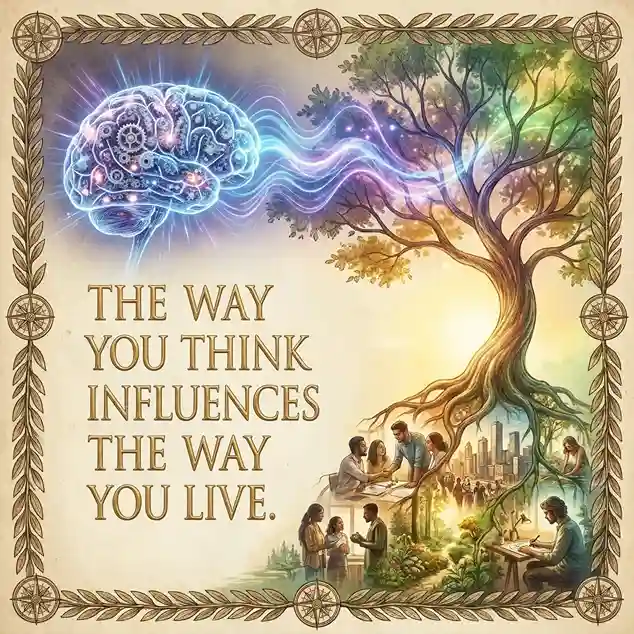
Developing a positive mindset can help you recognize new opportunities, strengthen your confidence, improve emotional well-being, and make better decisions.
Whether your goal is to achieve professional success, build healthier relationships, or become a more confident person, investing in personal growth creates opportunities for meaningful and lasting change.
A strong mindset does not mean ignoring difficulties or pretending that everything is perfect. It means learning to approach situations with greater awareness, emotional balance, and determination. Through consistent self-improvement, positive thinking, and practical personal development goals, you can gradually create a healthier relationship with yourself and build a lifestyle that reflects your values and ambitions.
Why Personal Development Matters for a Better Life
Personal development plays an important role in how people understand themselves and navigate different stages of life. It encourages individuals to recognize their strengths, identify areas that need improvement, and develop habits that support long-term satisfaction.
Many people associate success exclusively with professional achievements or financial stability. However, genuine personal growth involves several areas, including emotional intelligence, confidence, communication, mental wellness, and the ability to adapt to change.
When you prioritize your development, you begin making more intentional decisions instead of simply reacting to circumstances.
Some important benefits include:
- Greater self-awareness: Understanding your emotions, values, strengths, and limitations.
- Improved confidence: Developing trust in your abilities and decisions.
- Better emotional balance: Learning how to manage stress, frustration, and uncertainty.
- Healthier relationships: Improving communication, empathy, and mutual understanding.
- Stronger motivation: Finding reasons to continue working toward meaningful objectives.
- More effective decision-making: Evaluating opportunities and challenges with greater clarity.
These improvements do not happen overnight. They develop through everyday choices, consistent learning, and the willingness to recognize opportunities for change.
How to Develop a Positive Mindset
A positive mindset influences how you interpret experiences and respond to unexpected situations. It allows you to focus on possibilities rather than allowing temporary difficulties to define your entire perspective.
Positive thinking is not about denying negative emotions. Instead, it involves recognizing difficult circumstances while maintaining the belief that constructive actions can improve your situation.
Replace Negative Thoughts With Constructive Thinking
The way you speak to yourself can influence your confidence, motivation, and willingness to take action.
For example, thinking that you are incapable of achieving something can prevent you from exploring opportunities. Replacing that thought with the understanding that you can improve through practice creates a more productive perspective.
Consider changing common negative thoughts:
- Instead of saying, “I am not good enough,” think, “I can develop the skills I need.”
- Instead of saying, “I always make mistakes,” think, “Every experience gives me an opportunity to learn.”
- Instead of saying, “It is too late to change,” think, “I can start making better decisions today.”
- Instead of saying, “I cannot handle this challenge,” think, “I can approach this situation one step at a time.”
Constructive thinking helps you focus on what you can control, making it easier to take responsibility for your choices and continue moving forward.
Focus on Progress Instead of Perfection
One of the biggest obstacles to personal growth is the expectation of achieving perfect results.
People sometimes delay important decisions because they are afraid of making mistakes or believe they need to have everything figured out before starting.
However, improvement usually happens through experimentation, practice, and gradual adjustments.
Instead of expecting immediate transformation, recognize the value of small achievements. Reading a few pages, learning a new skill, improving your daily routine, or completing an important task can all contribute to meaningful progress.
Consistency is often more valuable than occasional bursts of motivation.
The Connection Between Mindset Transformation and Success
A mindset transformation begins when you recognize that your current beliefs and habits do not have to determine your future.
Your perspective influences how you approach responsibilities, relationships, career opportunities, and personal challenges. Developing a success mindset means learning to respond to these situations with patience, discipline, and a willingness to improve.
Develop a Learning-Oriented Perspective
A learning-oriented perspective encourages you to see challenges as opportunities to acquire knowledge and experience.
Instead of interpreting every setback as evidence of failure, consider what the situation can teach you.
For example, a professional setback may reveal the importance of developing new skills. A difficult conversation may help you improve communication. An unsuccessful project may show you which strategies need adjustment.
This approach supports continuous learning and helps you become more adaptable.
Take Responsibility for Your Decisions
Personal development becomes more effective when you understand the importance of personal responsibility.
Although you cannot control every situation, you can often influence how you respond to it.
Taking responsibility means evaluating your decisions honestly, recognizing mistakes, and identifying practical ways to move forward.
It also means avoiding unnecessary comparisons with other people. Everyone has different circumstances, opportunities, and timelines.
Your progress should be measured against the person you were yesterday, not against someone else’s achievements.
Practical Personal Development Goals to Improve Your Life
Setting personal development goals gives direction to your efforts and makes self-improvement easier to organize.
Without clear objectives, it can be difficult to recognize progress or maintain motivation. Specific goals help transform general intentions into practical actions.
Consider these areas when planning your personal development journey.
1. Improve Your Daily Habits
Daily habits influence your productivity, energy, and overall lifestyle.
Start by identifying routines that support your objectives and those that make it harder to achieve them.
Useful habits include:
- Establishing a consistent sleep schedule.
- Reading books that expand your knowledge.
- Organizing daily priorities.
- Practicing regular physical activity.
- Limiting unnecessary distractions.
- Creating time for reflection and relaxation.
You do not need to change everything simultaneously. Choose one or two habits and focus on maintaining them before introducing additional changes.
2. Invest in Continuous Learning
Learning is an important part of self-improvement because it expands your knowledge and helps you adapt to new circumstances.
You can develop new skills through books, educational courses, professional experiences, conversations, and practical projects.
Consider learning skills related to communication, leadership, financial organization, technology, creativity, or emotional intelligence.
The more willing you are to learn, the more opportunities you can recognize and pursue.
3. Strengthen Your Confidence
Building confidence requires developing trust in your ability to make decisions and handle responsibilities.
Confidence does not mean believing that you will always succeed. It means understanding that you can learn, adapt, and respond constructively when something does not go as planned.
Start by recognizing your accomplishments, even when they seem small.
You can also strengthen confidence by keeping promises to yourself, completing tasks, expressing your opinions respectfully, and gradually facing situations that make you uncomfortable.
Every completed commitment can reinforce your belief in your own abilities.
4. Create Meaningful Long-Term Goals
Personal development goals should reflect what matters most to you.
Rather than pursuing objectives simply because other people consider them important, identify the improvements that would make your life more satisfying.
Your goals might involve career advancement, better relationships, financial organization, personal independence, improved health habits, or greater emotional stability.
Break larger objectives into smaller milestones so that progress becomes easier to measure.
The Importance of Self-Awareness and Emotional Intelligence
Self-awareness is the ability to recognize your thoughts, emotions, behaviors, and personal motivations.
It is an essential foundation for personal development because meaningful change begins with understanding your current situation.
When you become more aware of your emotional patterns, you can identify what influences your decisions and recognize situations that require a different response.
Understand Your Emotional Triggers
Certain situations can create frustration, insecurity, anxiety, or disappointment.
Recognizing these emotional triggers helps you respond more thoughtfully instead of allowing temporary feelings to determine your actions.
For example, if criticism makes you immediately defensive, you can practice listening before responding. If uncertainty makes you uncomfortable, you can develop strategies to evaluate situations more calmly.
This process encourages emotional maturity and healthier communication.
Practice Empathy and Better Communication
Emotional intelligence also involves understanding the feelings and perspectives of other people.
Empathy can improve personal and professional relationships by helping you communicate with greater consideration.
Some practical ways to strengthen emotional intelligence include:
- Listening carefully before responding.
- Recognizing that people may have different perspectives.
- Expressing feelings respectfully.
- Avoiding impulsive reactions during disagreements.
- Accepting constructive feedback.
- Understanding when to establish personal boundaries.
Developing these abilities can contribute to stronger relationships and a healthier social environment.
Mental Wellness and the Importance of a Healthy Mindset
Mental wellness is an important part of a balanced lifestyle. It involves paying attention to your emotional needs, managing everyday stress, and creating routines that support psychological well-being.
A healthy mindset does not eliminate difficult emotions. Instead, it helps you recognize them without allowing temporary experiences to define your identity or future.
Make Time for Rest and Reflection
Constant productivity is not a requirement for personal growth.
Rest allows you to recover your energy, organize your thoughts, and maintain a more balanced routine.
Consider including activities that help you disconnect from unnecessary pressure, such as reading, walking, spending time outdoors, practicing meditation, or enjoying meaningful conversations.
Reflection is equally valuable. Taking a few minutes to evaluate your experiences can help you recognize patterns, understand your priorities, and identify opportunities for improvement.
Practice Gratitude and Positive Thinking
Gratitude encourages you to recognize positive aspects of your life, including experiences, relationships, opportunities, and personal achievements.
A simple practice is to write down three things you appreciate at the end of each day.
These do not need to be extraordinary accomplishments. Small moments, such as completing an important task, receiving support, or having time to relax, are also worth recognizing.
Gratitude can help create a more balanced perspective by bringing attention to what is already meaningful in your life.
How to Stay Motivated During Your Personal Growth Journey
Motivation for success can fluctuate depending on your circumstances, energy, and responsibilities.
There will be days when progress feels natural and others when maintaining your routine requires more effort.
For this reason, building sustainable habits is more reliable than depending entirely on temporary motivation.
Break Large Goals Into Smaller Actions
Large objectives can sometimes feel overwhelming because the final result seems distant.
Breaking them into smaller tasks makes progress more manageable.
For example, if your goal is to develop a new professional skill, you could dedicate 20 minutes each day to studying, complete one practical exercise per week, and evaluate your progress at the end of each month.
This approach creates structure and allows you to recognize improvements along the way.
Surround Yourself With Positive Influences
Your environment can influence your attitudes, habits, and decisions.
Spending time with people who encourage learning, responsibility, and constructive thinking can help reinforce positive behaviors.
You can also improve your environment by choosing educational content, reading inspiring books, and limiting unnecessary exposure to comparisons that negatively affect your confidence.
Remember that a positive environment should encourage growth without creating pressure to become someone you are not.
A Simple Daily Routine for Personal Growth
Creating a practical routine can help transform personal development from an occasional intention into a consistent part of everyday life.
The following activities offer a starting point.
| Daily activity | Suggested time | Main benefit |
|---|---|---|
| Morning reflection | 5 minutes | Greater self-awareness |
| Reading or learning | 20 minutes | Continuous improvement |
| Physical activity | 20 to 30 minutes | General well-being |
| Reviewing priorities | 5 minutes | Better organization |
| Practicing gratitude | 5 minutes | Positive perspective |
| Evening reflection | 5 minutes | Recognizing progress |
Adapt these activities according to your schedule and personal circumstances. The objective is not to create a perfect routine but to establish realistic practices that you can maintain.
Personal Development Is a Continuous Process
Personal development is not a destination that you reach after accomplishing a particular goal. It is an ongoing process of learning, adapting, and discovering new possibilities.
Your priorities may change as you gain experience, develop new interests, and move through different stages of life.
Some periods will bring significant achievements, while others will require patience and reflection. Both are valuable parts of personal growth.
The most important thing is to remain open to improvement without constantly criticizing yourself for what you have not achieved.
You do not need to transform your entire life in one day. You only need to make decisions that move you closer to the person you want to become.
A positive mindset, consistent self-improvement, emotional intelligence, and meaningful personal development goals can help you create a stronger foundation for the future.
Start with one positive change today. Continue learning, recognize your progress, and give yourself permission to grow at your own pace. Every intentional step can become part of a more confident, balanced, and fulfilling life.