
Personal Growth: How Self-Acceptance and Continuous Improvement Can Transform Your Life
Personal growth is an ongoing journey of discovering who you are, understanding your strengths, accepting your imperfections, and developing the habits that help you become a better person.
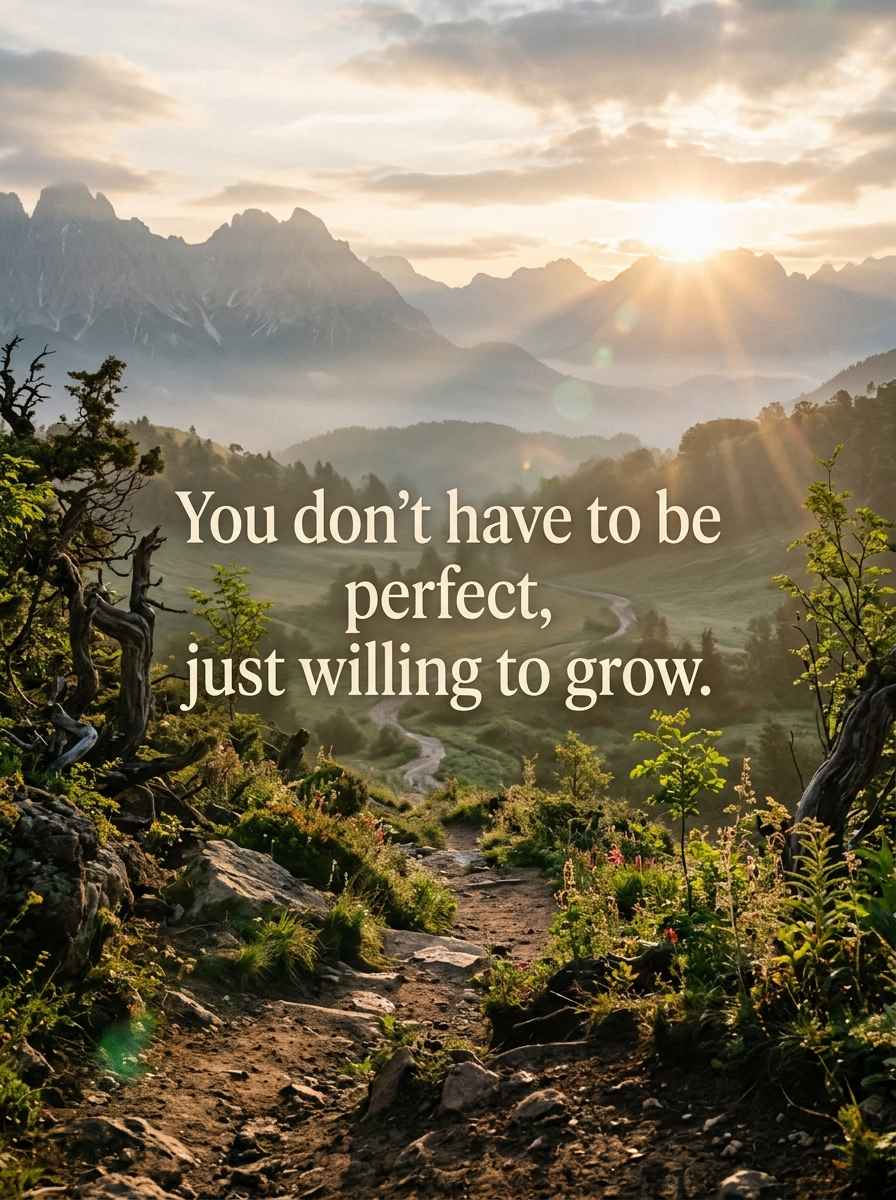
It involves more than achieving goals or making significant life changes. True personal growth begins when you recognize your potential, learn from your experiences, and make conscious decisions to improve different areas of your life.
In a world where people constantly compare their achievements, lifestyles, and personal journeys, learning to appreciate your own progress is essential. Self-improvement does not mean becoming someone else. It means becoming a more confident, balanced, and fulfilled version of yourself. Through self-acceptance, self-awareness, and continuous growth, you can create meaningful changes that influence your relationships, decisions, mindset, and future.
Whether you want to develop greater confidence, overcome personal limitations, establish healthier habits, or discover new opportunities, understanding the principles of personal development can help you move forward with greater clarity and purpose.
What Does Personal Growth Really Mean?
Personal growth refers to the process of improving your thoughts, behaviors, emotional awareness, abilities, and perspectives over time. It is a continuous process that allows you to understand yourself more deeply while developing the skills needed to handle life’s challenges.
Unlike temporary motivation, personal growth involves consistent actions and a willingness to learn. Some improvements may be noticeable immediately, while others require patience and dedication.
Personal development can happen in several areas of life, including:
- Emotional development: Understanding your feelings, managing stress, and responding to difficult situations with greater awareness.
- Mental development: Expanding your knowledge, questioning limiting beliefs, and developing a positive mindset.
- Behavioral improvement: Building healthy routines, improving discipline, and replacing unhelpful habits.
- Social development: Strengthening relationships, communicating effectively, and establishing healthy boundaries.
- Professional development: Learning new skills, improving your abilities, and exploring opportunities for career advancement.
Each of these areas contributes to a stronger sense of identity and a more intentional approach to everyday life.
The most important thing to understand is that personal growth does not follow a universal timeline. Everyone develops differently, and your progress should be measured by how far you have come rather than how quickly someone else appears to be moving forward.
The Importance of Self-Acceptance in Personal Development
One of the foundations of meaningful personal growth is self-acceptance. Before you can make positive changes, you need to recognize and appreciate who you are today.
Self-acceptance means acknowledging your strengths, weaknesses, experiences, and imperfections without allowing them to determine your entire sense of worth.
Many people postpone happiness because they believe they must reach a particular level of success, appearance, confidence, or achievement before they deserve to feel satisfied. However, this mindset can create an endless cycle of comparison and dissatisfaction.
You can appreciate who you are while still working toward becoming who you want to be.
Embracing Your Imperfections
Embracing imperfections is an important part of emotional maturity. Nobody makes perfect decisions, understands everything, or handles every situation correctly.
Your mistakes do not define your identity. They provide opportunities to recognize what needs to change and develop a better understanding of yourself.
Instead of criticizing yourself for every failure, consider asking:
- What can I learn from this experience?
- What would I do differently next time?
- Which personal strengths can help me overcome this situation?
- Am I expecting too much from myself?
These questions encourage self-awareness and help transform negative experiences into opportunities for learning.
Accepting imperfections does not mean ignoring your responsibilities or refusing to improve. It means understanding that being imperfect is part of being human, and meaningful progress is possible even when you have things to work on.
Stop Comparing Your Journey to Others
Social comparison can make personal development unnecessarily difficult. Seeing other people’s achievements may create the impression that you are falling behind or not accomplishing enough.
However, you rarely see the challenges, failures, sacrifices, and uncertainty behind someone else’s success.
A healthier approach is to focus on your own progress. Identify what matters to you, establish realistic expectations, and recognize the improvements you have already made.
Your journey has its own circumstances, opportunities, and challenges. Personal growth becomes more meaningful when you stop competing with other people’s timelines and start investing in your own development.
How Self-Awareness Helps You Become a Better Person
Self-awareness is the ability to recognize your thoughts, emotions, motivations, behaviors, and personal values. It helps you understand why you react in certain ways and how your decisions influence your everyday experiences.
Without self-awareness, it can be difficult to identify the habits and beliefs that prevent you from moving forward.
For example, you may frequently avoid new opportunities because of fear of failure. You might struggle to establish boundaries because you worry about disappointing others. Recognizing these patterns is the first step toward changing them.
Practical Ways to Develop Self-Awareness
Developing self-awareness does not require complicated exercises. Small practices can help you understand yourself more clearly.
1. Reflect on your daily experiences
Spend a few minutes thinking about the decisions you made, the emotions you experienced, and the situations that influenced your behavior.
2. Identify your personal values
Consider what truly matters to you. Your values may include honesty, independence, family, learning, creativity, or financial stability. Understanding these priorities makes it easier to make decisions that reflect your identity.
3. Recognize your emotional triggers
Pay attention to situations that create frustration, insecurity, anxiety, or disappointment. Understanding your reactions can help you respond more thoughtfully.
4. Ask for constructive feedback
Sometimes, other people notice patterns that are difficult for us to recognize. Listening to respectful feedback can reveal opportunities for improvement.
As your self-awareness increases, you become better equipped to make intentional decisions instead of simply reacting to circumstances.
Building a Positive Mindset for Continuous Growth
A positive mindset plays an important role in personal transformation. It influences how you interpret challenges, approach opportunities, and respond when things do not happen as expected.
Having a positive mindset does not mean pretending that problems do not exist. It means developing the ability to recognize difficulties without allowing them to eliminate your motivation or confidence.
People who adopt a growth-oriented perspective understand that abilities can improve through practice, experience, and consistent effort.
Instead of thinking, “I am not good at this,” you can begin thinking, “I have not learned how to do this yet.”
This simple change encourages curiosity and makes challenges feel more manageable.
Replace Limiting Beliefs With Constructive Thoughts
Limiting beliefs can prevent you from pursuing opportunities and developing your potential.
Some common examples include:
- I am too old to start something new.
- I will never be successful.
- I always make mistakes.
- Other people are naturally better than me.
- It is too late to change my life.
These thoughts often reflect fear or previous experiences rather than objective facts.
To develop a healthier mindset, question these beliefs and look for more constructive perspectives.
For example, instead of believing that you cannot change, recognize that your habits, knowledge, and abilities can develop over time.
Your mindset influences your actions, and your actions gradually shape your future.
7 Practical Habits That Support Personal Growth
Understanding personal development is important, but applying what you learn is what creates meaningful change.
The following habits can help you establish a sustainable routine focused on self-improvement.
1. Set Clear and Realistic Personal Goals
Start by identifying what you want to improve. Your goals may involve emotional well-being, career development, relationships, physical activity, or financial organization.
Avoid creating too many objectives at once. Choose a few meaningful priorities and establish practical steps for achieving them.
For example, if you want to improve your confidence, you could begin by expressing your opinions more openly or learning a skill that interests you.
2. Read and Learn Something New
Continuous learning expands your perspective and introduces new possibilities.
Reading books, listening to educational podcasts, taking online courses, and exploring unfamiliar subjects can contribute to intellectual development.
You do not need to dedicate several hours every day. Even fifteen minutes of intentional learning can become a valuable habit over time.
3. Practice Gratitude
Gratitude helps you recognize the positive aspects of your life without ignoring the areas that need improvement.
Consider writing down three things you appreciate each day. They can be simple experiences, meaningful relationships, personal achievements, or opportunities to begin again.
This practice encourages a healthier perspective and helps you appreciate your progress.
4. Develop Emotional Discipline
Emotional discipline involves learning to manage your reactions instead of allowing temporary feelings to control important decisions.
When facing a difficult situation, take a moment to pause, understand what you are feeling, and consider the possible consequences of your response.
This habit can improve communication, reduce unnecessary conflict, and strengthen emotional resilience.
5. Step Outside Your Comfort Zone
Personal development often requires trying things that initially feel unfamiliar.
You might start a new project, learn a different skill, meet new people, or take responsibility for something you previously avoided.
Start with manageable challenges. Each experience can help you build confidence and discover abilities you did not realize you had.
6. Surround Yourself With Positive Influences
The people, conversations, and environments around you can influence your attitudes and habits.
Spend more time with individuals who encourage healthy decisions, respect your boundaries, and support your development.
This does not mean avoiding everyone who disagrees with you. It means recognizing the importance of relationships that contribute positively to your life.
7. Review Your Progress Regularly
Take time every week or month to evaluate your development.
Ask yourself what you have learned, which habits are helping you, and what adjustments might improve your routine.
Recognizing small achievements helps maintain motivation and reminds you that meaningful transformation often happens gradually.
Why Continuous Improvement Matters More Than Perfection
One of the biggest obstacles to personal growth is the belief that every improvement must be significant.
People sometimes abandon their goals because they cannot see immediate results. However, lasting transformation usually comes from small actions repeated consistently.
Consider the impact of reading a few pages every day, exercising regularly, practicing a new skill, or dedicating time to emotional reflection.
Each action may seem insignificant on its own, but repeated over months and years, these habits can create substantial improvements.
Consistency is often more valuable than intensity when developing habits that support long-term growth.
Continuous improvement also allows you to adapt as your priorities change. What matters to you today may not have the same importance in five years.
Being open to learning and adjusting your direction helps you remain connected to your personal values while exploring new possibilities.
Progress Is Not Always a Straight Line
There will be periods when you feel motivated and productive, followed by moments when progress seems slower.
You may return to an old habit, experience disappointment, or question your decisions.
These experiences do not necessarily mean you have failed.
Personal development includes setbacks, adjustments, and opportunities to begin again. The important thing is to recognize what happened, learn from the experience, and continue moving forward.
Do not allow one difficult day to convince you that all your previous efforts were meaningless.
How to Create a Personal Growth Plan
If you want to turn personal development into a practical part of your lifestyle, creating a simple growth plan can help you stay focused.
Start by identifying the areas of your life that deserve more attention.
| Development area | Practical action | Expected benefit |
|---|---|---|
| Self-confidence | Practice expressing your opinions | Greater confidence |
| Emotional awareness | Reflect on daily emotions | Better self-understanding |
| Knowledge | Read and study regularly | Continuous learning |
| Relationships | Improve communication | Healthier connections |
| Discipline | Establish consistent routines | Greater responsibility |
| Mindset | Challenge negative beliefs | More constructive thinking |
You can adapt this plan according to your needs and circumstances.
A Simple 30-Day Personal Development Challenge
A 30-day challenge can provide a practical starting point for building new habits.
Week 1: Self-awareness
Reflect on your values, identify personal strengths, and recognize habits you would like to change.
Week 2: Positive habits
Introduce small daily actions, such as reading, practicing gratitude, or organizing your priorities.
Week 3: Confidence and courage
Choose one activity outside your comfort zone and take practical steps toward completing it.
Week 4: Reflection and improvement
Evaluate your progress, identify what worked, and decide which habits you want to continue.
The objective is not to transform your entire life in one month. It is to establish a foundation for continuous growth and more intentional decisions.
Personal Transformation Begins With Small Decisions
Personal transformation rarely happens because of one extraordinary moment. More often, it develops through everyday decisions that gradually change how you think, behave, and interact with the world.
Choosing to respond calmly instead of reacting impulsively, learning from a mistake instead of repeating it, or making time for something important are examples of decisions that support a better future.
You do not need to have everything figured out before taking the next step.
Sometimes, becoming a better person simply means being more patient, more responsible, more understanding, and more willing to learn.
It also means recognizing when you need rest. Personal growth should not become another source of pressure or an endless demand for productivity. A balanced approach includes knowing when to move forward and when to give yourself time to recover.
The goal is to create a life that reflects your values, supports your well-being, and allows you to continue discovering your potential.
Final Thoughts: Keep Learning, Growing, and Becoming Your Best Self
Personal growth is not about reaching a perfect version of yourself. It is about accepting your current reality while remaining open to positive change.
Through self-acceptance, self-awareness, a positive mindset, and consistent self-improvement, you can develop the confidence and perspective needed to navigate different stages of life.
Remember that your mistakes are opportunities to learn, your imperfections do not diminish your worth, and your past does not have to determine your future.
Every day gives you another opportunity to make a better decision, develop a healthier habit, and become more aligned with the person you want to be.
Celebrate your achievements, appreciate how far you have come, and remain curious about everything you can still discover.
You do not have to change everything today. Start with one positive action, stay consistent, and allow continuous growth to become part of your everyday life.