
Inner Peace: How to Find Emotional Balance, Manage Stress, and Create a More Peaceful Life
Finding inner peace is one of the most valuable investments you can make in your emotional well-being and personal development.
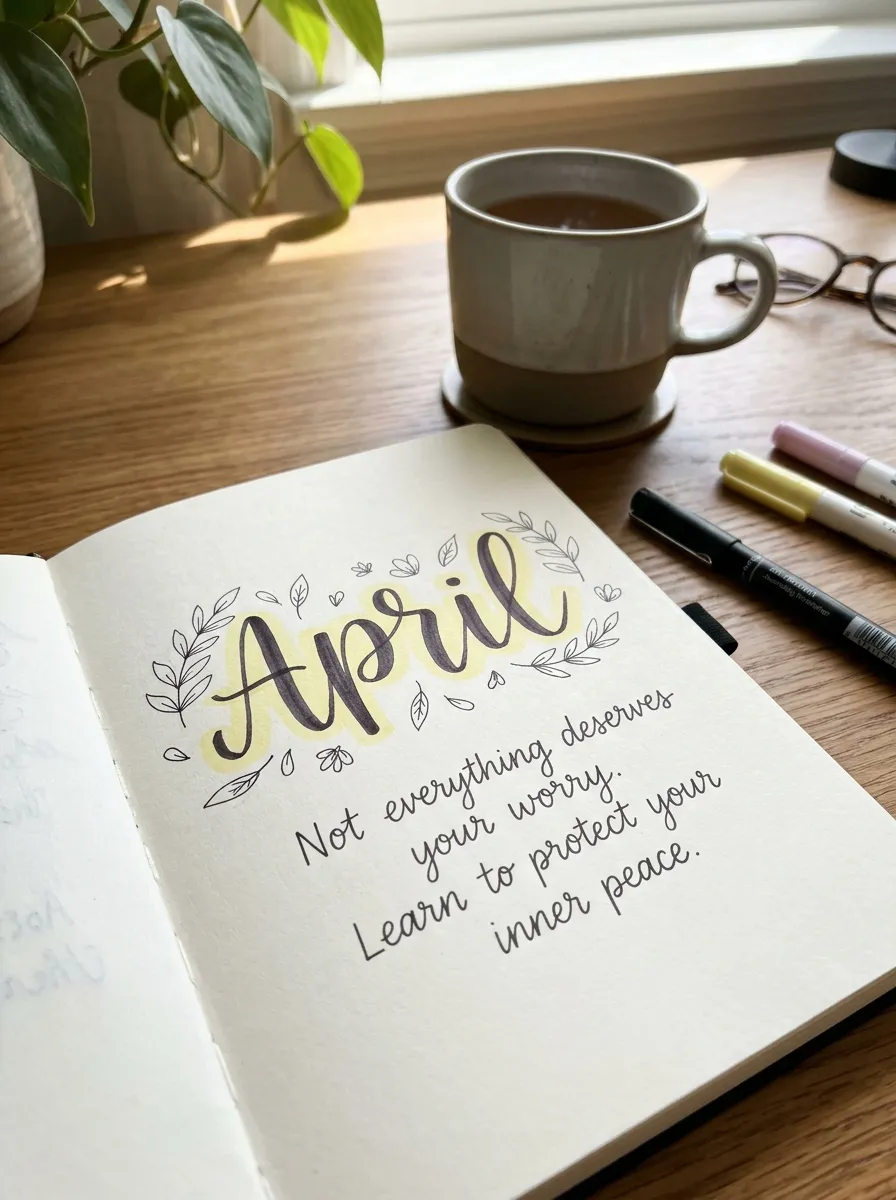
In a world filled with constant responsibilities, unexpected challenges, and daily pressures, learning how to maintain emotional balance and protect your peace of mind has become essential.
Inner peace does not mean living without problems or difficult emotions. It means developing the ability to face life’s challenges with greater clarity, patience, and emotional strength.
When you cultivate inner peace, you begin to understand yourself better, respond more thoughtfully to stressful situations, and make decisions that support your happiness. You also become more aware of the habits, relationships, and thoughts that influence your mental wellness.
The journey toward a calmer life starts with small but meaningful changes. Through emotional intelligence, positive thinking, stress management, and self-awareness, you can gradually develop a healthier relationship with yourself and the world around you.
If you want to discover how to find inner peace, improve your emotional well-being, and experience more serenity in everyday life, the following strategies can help you build a more balanced and fulfilling lifestyle.
What Is Inner Peace and Why Is It Important?
Inner peace is a state of emotional and mental calmness that allows you to remain centered even when external circumstances become difficult. It involves accepting what you cannot control, understanding your emotions, and choosing healthier ways to respond to life’s uncertainties.
Having peace of mind does not mean ignoring problems or pretending everything is perfect. Instead, it means developing the emotional maturity to recognize difficulties without allowing them to control every aspect of your life.
Inner peace is important because it helps you:
- Manage everyday stress more effectively.
- Develop healthier relationships.
- Improve emotional balance and self-awareness.
- Make decisions with greater clarity.
- Reduce unnecessary worries about the future.
- Build confidence when facing challenges.
- Appreciate the present moment.
- Protect your emotional well-being.
When you prioritize your mental wellness, you create more space for positive experiences, meaningful relationships, and personal growth.
7 Powerful Ways to Find Inner Peace and Emotional Balance
Developing emotional balance requires consistency. You do not need to change your entire lifestyle overnight. Small daily actions can gradually transform the way you think, feel, and respond to different situations.
Here are seven practical strategies to help you create a more peaceful mind.
1. Learn to Let Go of What You Cannot Control
One of the biggest obstacles to inner peace is spending too much emotional energy trying to control things that are beyond your influence.
You cannot control other people’s opinions, every unexpected situation, or everything that happens in your life. However, you can control how you respond, what decisions you make, and where you direct your attention.
Holding on to situations from the past or constantly worrying about uncertain outcomes can create unnecessary emotional exhaustion.
Learning to let go does not mean giving up on your goals. It means understanding the difference between what deserves your effort and what only consumes your energy.
Try this simple practice:
Whenever something makes you anxious, ask yourself whether you have the power to change it. If you do, focus on finding a practical solution. If you do not, practice accepting the situation and redirecting your attention toward something meaningful.
This simple shift can help you experience greater peace of mind and emotional freedom.
2. Develop Emotional Intelligence
Emotional intelligence is the ability to recognize, understand, and manage your own emotions while also understanding the feelings of others.
It plays an important role in emotional balance because it helps you respond thoughtfully instead of reacting impulsively.
For example, when someone criticizes you, your first reaction might be frustration or disappointment. However, emotional intelligence allows you to pause, understand why the situation affected you, and choose a more constructive response.
Developing this skill can improve communication, strengthen relationships, and reduce unnecessary conflicts.
Ways to strengthen emotional intelligence include:
- Identify your emotions instead of ignoring them.
- Recognize situations that trigger negative reactions.
- Practice listening before responding.
- Develop empathy toward other people’s experiences.
- Avoid making important decisions when overwhelmed.
- Express your feelings respectfully and clearly.
The more you understand your emotions, the easier it becomes to maintain serenity during challenging moments.
3. Practice Positive Thinking Without Ignoring Reality
Positive thinking can significantly influence your emotional well-being. The way you interpret situations affects how you feel and how you respond to everyday challenges.
However, positive thinking does not mean pretending that difficulties do not exist. It means learning to approach problems with a more constructive mindset.
Instead of thinking, “Everything always goes wrong,” try asking, “What can I learn from this situation?”
This change in perspective encourages personal development and helps you avoid becoming trapped in negative thought patterns.
You can also develop a more positive mindset through simple daily habits:
- Start your morning by identifying something you appreciate.
- Replace excessive self-criticism with encouraging thoughts.
- Celebrate small achievements.
- Spend time with people who encourage your growth.
- Focus on solutions instead of repeatedly analyzing problems.
- Remind yourself that difficult moments are temporary.
Positive thinking becomes powerful when it helps you take meaningful action rather than simply expecting everything to improve on its own.
4. Create a Daily Routine for Stress Management
Stress is a natural part of life, but allowing it to accumulate without healthy ways of managing it can affect your emotional balance and overall well-being.
A consistent routine can help you organize your responsibilities, create moments of relaxation, and regain a sense of control over your day.
You do not need an elaborate wellness program. Start with a few activities that make you feel calmer and more focused.
Consider incorporating these habits into your routine:
Morning: Begin your day without immediately checking social media. Take a few minutes to breathe, stretch, or organize your priorities.
Afternoon: Take short breaks between responsibilities. Walk outside, drink water, or step away from your screen.
Evening: Reduce unnecessary distractions and spend time doing something relaxing. Reading, listening to peaceful music, or writing in a journal can help you transition into a calmer state.
Before bed: Reflect on your day and identify one positive experience, even if it was something small.
A healthy routine supports stress management by creating opportunities to pause, recharge, and maintain emotional stability.
5. Stop Comparing Your Life to Other People
Constant comparison can damage your self-confidence and take away your ability to appreciate your own progress.
Social media often shows carefully selected moments from other people’s lives. You may see their achievements, vacations, relationships, and successes without knowing the challenges they experience privately.
Comparing your everyday reality with someone else’s highlights can create unrealistic expectations and unnecessary dissatisfaction.
Remember that personal growth does not happen at the same speed for everyone.
Your journey does not need to look like anyone else’s to be meaningful.
Instead of comparing your progress, focus on becoming a better version of yourself.
Recognize the improvements you have already made, appreciate your individual strengths, and establish goals that reflect your own values.
When you stop measuring your happiness against external expectations, you create more room for self-acceptance and inner peace.
6. Establish Healthy Boundaries and Protect Your Energy
Sometimes, maintaining emotional well-being requires changing the way you interact with other people.
Healthy boundaries help you recognize your limits, communicate your needs, and avoid taking responsibility for situations that are not yours to manage.
You do not have to agree with everyone, accept every request, or remain available whenever someone needs something.
Learning to say no when necessary is an important part of emotional maturity.
Healthy boundaries may include:
- Limiting conversations that repeatedly create unnecessary stress.
- Making time for your personal needs.
- Avoiding relationships based on constant criticism.
- Communicating your expectations clearly.
- Respecting your own time and emotional limits.
- Taking distance from situations that negatively affect your well-being.
Protecting your peace does not mean treating others with indifference. It means recognizing that your emotional health deserves attention and respect.
7. Practice Mindfulness and Appreciate the Present Moment
Many people spend a significant amount of time thinking about past mistakes or worrying about future possibilities.
Although reflecting on the past and planning for the future are important, becoming mentally trapped in these thoughts can make it difficult to enjoy the present.
Mindfulness encourages you to pay attention to what is happening right now without immediately judging your experiences.
It can help you become more aware of your thoughts, emotions, and surroundings.
You can practice mindfulness through simple activities:
- Pay attention to your breathing for a few minutes.
- Enjoy a meal without distractions.
- Take a walk and observe your surroundings.
- Listen carefully during conversations.
- Notice your emotions without immediately reacting.
- Spend a few minutes in silence each day.
With consistent practice, mindfulness can support emotional balance, reduce everyday tension, and help you develop a greater sense of serenity.
How to Find Inner Peace When Life Becomes Difficult
Life does not always follow the plans we create. Unexpected changes, disappointments, financial concerns, relationship problems, and personal challenges can affect even the most emotionally balanced individuals.
During difficult periods, finding inner peace may require more patience and intentional effort.
The first step is to acknowledge what you are experiencing instead of pretending everything is fine. Allow yourself to recognize disappointment, sadness, frustration, or uncertainty without judging yourself.
Next, separate your immediate responsibilities from the things you cannot solve right now.
Trying to resolve every problem simultaneously can increase emotional pressure. Focus on one manageable action at a time.
It is also important to remember that asking for support is a sign of self-awareness, not weakness. Talking to someone you trust or seeking professional guidance when necessary can help you navigate challenging experiences.
You do not need to have every answer today. Sometimes, peace begins when you accept that you are allowed to move forward one step at a time.
Daily Habits That Support Mental Wellness
Your daily habits have a meaningful influence on how you experience stress, relationships, and personal challenges.
Building a lifestyle that supports mental wellness involves taking care of both your physical and emotional needs.
Here are some habits worth incorporating into your everyday routine:
| Daily habit | Potential benefit |
|---|---|
| Regular physical activity | Supports mood and general well-being |
| Quality sleep | Helps emotional regulation and concentration |
| Mindful breathing | Encourages relaxation |
| Reading | Supports learning and personal growth |
| Journaling | Helps organize thoughts and emotions |
| Spending time outdoors | Creates opportunities to relax and recharge |
| Healthy relationships | Provides emotional connection and support |
| Limiting social media | Reduces unnecessary distractions |
You do not need to practice every habit perfectly. Consistency is more important than perfection.
Choose two or three activities that fit your lifestyle and gradually build a routine around them.
The Connection Between Inner Peace, Self-Love, and Personal Growth
Inner peace is closely connected to the way you treat yourself.
When you constantly criticize your decisions, ignore your needs, or demand perfection, it becomes harder to experience emotional balance.
Self-love involves recognizing your worth, respecting your limitations, and understanding that personal development is an ongoing process.
It also means accepting that you can make mistakes without allowing those mistakes to define your identity.
A healthier relationship with yourself can help you:
- Develop greater self-confidence.
- Recognize your personal strengths.
- Accept imperfections.
- Make decisions based on your values.
- Establish healthier relationships.
- Become more resilient during difficult experiences.
Personal growth is not about becoming someone completely different. It is about discovering what matters to you and making choices that support the life you want to create.
When you combine self-acceptance with intentional action, inner peace becomes more than a temporary feeling. It becomes a foundation for a healthier lifestyle.
How to Maintain Peace of Mind in a Busy World
Modern life creates countless opportunities for distraction. Notifications, work responsibilities, social expectations, and constant access to information can make it difficult to disconnect and recharge.
Maintaining peace of mind requires learning when to step back.
One useful strategy is to establish specific moments during the day when you are not connected to your phone or social media.
You can also organize your priorities to avoid spending unnecessary energy on activities that do not contribute to your goals.
Another important practice is to create realistic expectations. You do not have to accomplish everything in one day, respond to every message immediately, or meet everyone’s expectations.
Give yourself permission to slow down without feeling guilty.
A peaceful life is not necessarily a life with fewer responsibilities. It is a life in which you learn to approach those responsibilities with greater awareness, balance, and emotional maturity.
Recommended Book for Developing Inner Peace
If you want to explore emotional balance, mindfulness, and personal development more deeply, reading books that encourage self-awareness can be an excellent investment in your personal growth.
The Power of Now by Eckhart Tolle
This book explores the importance of living in the present moment and understanding how excessive identification with thoughts can influence emotional experiences.
It introduces ideas about mindfulness, self-awareness, and finding greater peace through present-moment awareness.
A recommended read for anyone interested in mindfulness, serenity, and inner peace.
Reading this book can provide new perspectives on how to approach everyday challenges and develop a more conscious relationship with your thoughts.
Final Thoughts: Make Inner Peace a Daily Priority
Finding inner peace is not about creating a perfect life or eliminating every difficult experience. It is about developing the emotional strength, self-awareness, and healthy habits necessary to navigate life with greater balance.
Through emotional intelligence, positive thinking, mindfulness, and effective stress management, you can gradually create a lifestyle that supports your emotional well-being.
Remember that peace of mind is built through everyday choices. Sometimes it begins with letting go of an unnecessary worry. Other times, it means establishing a healthy boundary, taking a break, or simply recognizing how far you have come.
You deserve a life in which your happiness is not constantly controlled by external circumstances.
Start with one small change today. Be patient with yourself, respect your journey, and make your emotional well-being a priority. Over time, these choices can help you build a calmer, healthier, and more fulfilling life.